
Liposuction
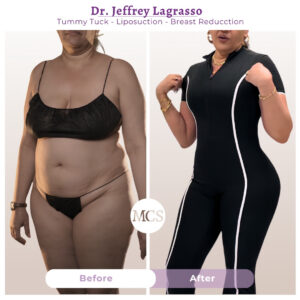
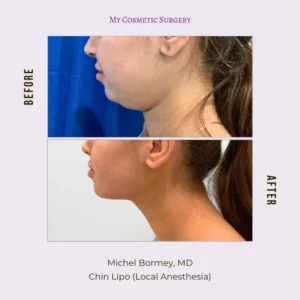
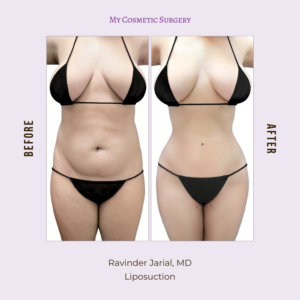
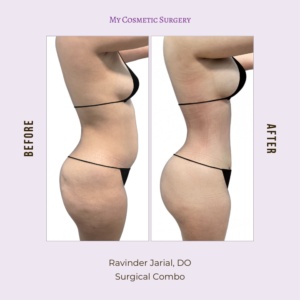
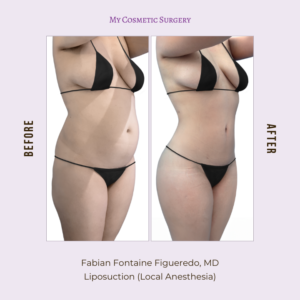
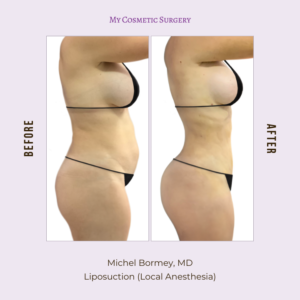
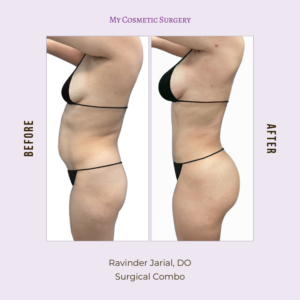
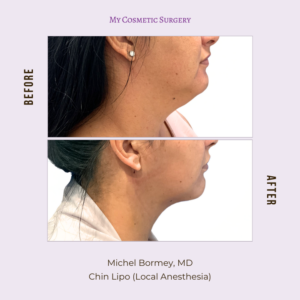
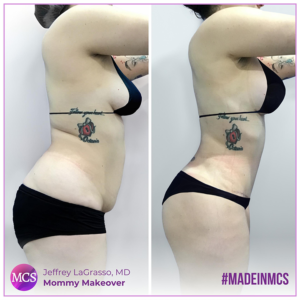
Liposuction, the art of precision fat removal, offers you the chance to shape your body contours, saying goodbye to stubborn pockets of fat that diet and exercise can’t always tackle.

Liposuction | Overview
Procedure details
| Type | Surgical: fat removal via cannula and controlled suction; performed as traditional (tumescent), VASER, laser-assisted, or J-Plasma, alone or combined as Lipo 360. |
| Anesthesia | General for multi-area or Lipo 360 cases. |
| Duration | It is around 1 to 3 Hours, depending on the number of areas. |
| Hospital stay | Outpatient: same-day discharge |
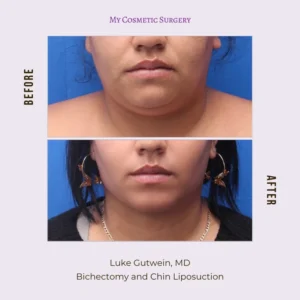
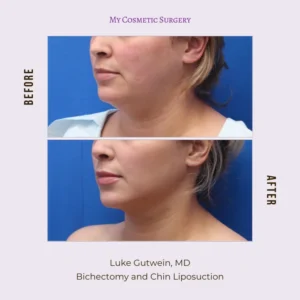
| Areas treated | Abdomen, flanks, back, thighs, arms, chin/neck; Lipo 360 treats the abdomen, flanks, and back in one session |
| Return to work | 1 Week after the surgery was made. |
| Final results | Between 3 and 6 months, once swelling fully resolves |
| Price | From $300 per treated area; final quote confirmed at consultation based on the number of areas and technique used. |
| Financing | Available through Cherry Financing and Alphaeon |
| Consultation | Free |
THE PROCEDURE
What is liposuction and how is it performed?
Liposuction is a surgical procedure that removes localized fat deposits through a thin cannula connected to a suction device, sculpting a more balanced, proportionate contour. It is performed under general or local anesthesia depending on the areas treated, and generally takes 1 hour to 3 hours depending on how many areas are treated. Your surgeon customizes the treatment areas and technique to your goals and anatomy during your free consultation.
→ General anesthesia vs. local anesthesia: which is the best option?
What is Lipo 360, and how is it different from treating a single area?
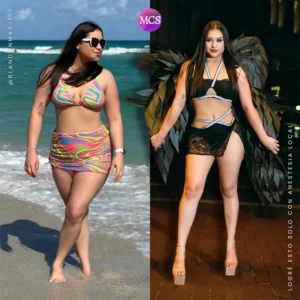
Lipo 360 treats the abdomen, flanks, and back together in one session for a complete, circumferential result, rather than sculpting a single area in isolation. It uses the same techniques as standard liposuction — it is the number of areas and the 360-degree approach that differ, not the underlying technology.
→ Different body areas for lipo with fat transfer
Will I have scars, and where will they be?
Liposuction is performed through small incisions, Typically between 2mm to 5 mm, placed in inconspicuous locations such as natural skin folds. They fade significantly over the following months but leave a permanent, faint mark.
TECHNIQUES AND ALTERNATIVES
What liposuction techniques exist, and which do we offer?
Your choice of technique affects downtime, precision, and whether skin tightening is part of the result. Here is how the options compare:
| Technique | What it involves | Do we offer it? | Feel & considerations |
| Traditional (tumescent) | Fluid containing saline, numbing medication, and a vessel-constricting agent is injected before fat is removed by cannula. | Yes | Proven approach that suits most patients and areas; less bleeding and bruising than dry techniques. |
| VASER (ultrasound-assisted) | Ultrasound energy breaks up fat cells before suction, sparing surrounding tissue. | Yes | Smoother contours, potentially less downtime; effective for the abdomen, flanks, and thighs. |
| Laser-assisted | A laser fiber melts fat before removal and may promote mild skin tightening. | Yes | Best suited to smaller, delicate areas; added skin-tightening benefit. |
| J-Plasma | Combines cold helium plasma with radiofrequency energy to tighten skin while removing fat. | Yes | Comprehensive contouring result; suited to patients with mild-to-moderate skin laxity. |
| High-definition (ab etching) | VASER or laser technique applied around the abdominal muscles to create visible muscle definition. | Yes | Best for patients near their goal physique seeking definition, not volume reduction. |
What happens to the fat that’s removed — can it be used elsewhere?
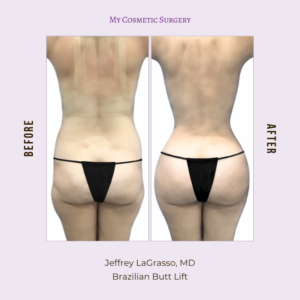
Yes. Fat harvested during liposuction can be purified and transferred to another area, most commonly the buttocks (Brazilian Butt Lift) or the breasts, for natural volume without an implant. This must be planned before surgery, since it affects technique and the total time in the operating room.
→ Different body areas for lipo with fat transfer
CANDIDACY
Who is a good candidate for liposuction?
A good candidate for liposuction is in good general health, at or near their ideal weight 20 to 30 pounds of the ideal weight and a BMI of 30%.
Has firm and elastic skin with stubborn, localized fat that hasn’t responded to diet and exercise. Candidates should also be non-smokers, or willing to stop smoking before and after surgery, and have realistic expectations about their results.
Liposuction is a body-contouring procedure, not a weight-loss method. It removes fat from targeted areas to refine your shape, but it is not a substitute for a healthy weight or a solution for significant weight gain. Your surgeon will confirm whether you’re a candidate during your free consultation.
→ What makes you a good candidate for cosmetic surgery
Can liposuction treat loose skin or cellulite?
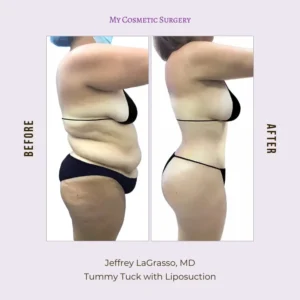
No. Liposuction removes fat, not excess skin, so it will not correct significant skin laxity — a tummy tuck or thigh lift addresses that instead. It is also not an effective cellulite treatment, since cellulite results from the structure of the connective tissue under the skin, not from fat volume alone.
Can I have liposuction if I smoke?
Smoking should be stopped before surgery and for a period afterward. Nicotine constricts blood vessels and reduces circulation, which slows healing and increases the risk of complications, especially in larger-volume or multi-area procedures.
Can liposuction be combined with other procedures?
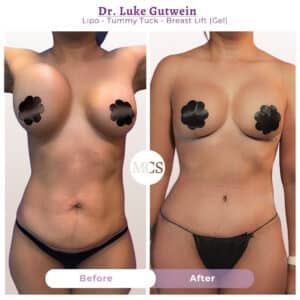
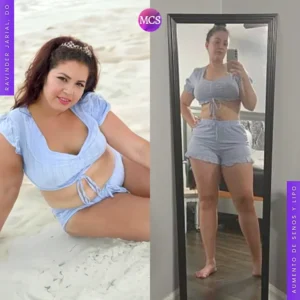
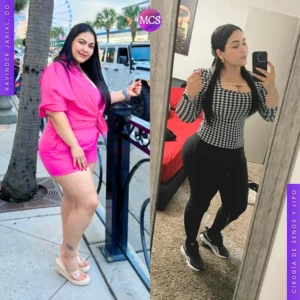
Yes. It is one of the most frequently combined procedures at My Cosmetic Surgery. Common combinations include:
- Tummy tuck (abdominoplasty)
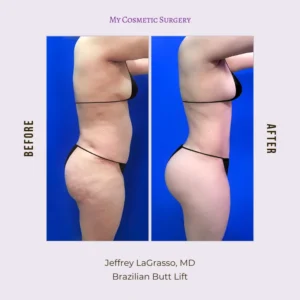
- Brazilian Butt Lift, using fat harvested during the liposuction itself
- Breast augmentation or breast lift, as part of a mommy makeover
- Arm and Thigh Lift
The right combination is decided at your consultation, based on your health and the total time required in the operating room.
→ Surgery combos at My Cosmetic Surgery
MEDICAL TEAM AND SAFETY
What are the risks of liposuction?
Like any surgery, liposuction carries risks. The most common include:
- Infection at or around the incision sites
- Bleeding during or after the procedure
- Seroma, a buildup of fluid under the skin
- Contour irregularities, such as uneven or bumpy areas
- Numbness or changes in skin sensation in the treated areas
- Asymmetry between the two sides of the body
Removing very large volumes of fat carries additional risks, including:
- Fluid imbalance in the body
- More serious complications, which are rare
At My Cosmetic Surgery, we follow all the Florida Health Safety Guidelines to keep these risks to a minimum.
PREPARATION AND RECOVERY
How do I prepare for surgery?
Stop smoking and nicotine products several weeks before and after surgery, since they slow healing. Aspirin, anti-inflammatory drugs, vitamin E, fish oil, and some herbal supplements may increase bleeding and should be paused only with your surgeon’s authorization. Arrange for a responsible adult to drive you home and help during the first few days, when lifting and reaching overhead may be difficult. Have your compression garment ready before surgery, and set up a comfortable recovery space at home in advance.
What does recovery look like week by week?
Days 1–3: Rest, with swelling and soreness managed by prescribed medication; short, gentle walks support circulation.
Week 1: Continue wearing the compression garment as directed; light walking; avoid strenuous activity.
Weeks 2–4: Return to desk work and light daily activity.
Weeks 4–6: Cleared for light cardio, progressing toward full exercise.
Months 3–6: Final results become visible as swelling fully resolves.
How long do I need to wear the compression garment?
The purpose of the garment is to minimize swelling, support the new contours, and help the skin adhere smoothly to the treated areas.
At My Cosmetic Surgery we suggest using the Compression garments for at least 1 month for 24 hours and only taking it off when you need to wash the compression garment or when you need to shower.
→ Maximizing recovery: the benefits of post-surgical compression garments
When can I return to work and to exercise?
Most patients with desk jobs return within 5 days post operative and do light cardio is typically cleared around week 4, with full exercise around week 8, once your surgeon confirms healing is on track.
→ The effectiveness of lymphatic drainage in aesthetic surgeries
RESULTS
Will fat cells come back after liposuction?
The fat cells removed during liposuction are gone permanently. However, the fat cells that remain in the treated and surrounding areas can still expand if you gain weight, which is why maintaining a stable weight is important to preserving your results.
When will I see my final results?
You’ll notice a visible change soon after surgery, but swelling masks the full result at first. Most swelling resolves within a few weeks, and final results are typically visible between 3 and 6 months, once the skin has fully retracted around the new contours.
Is liposuction a weight-loss method?
No. Liposuction is a body-contouring tool for stubborn, localized fat. It is not designed to produce significant weight loss, and removing large amounts of fat is not a safe substitute for a healthy diet and exercise routine.
COST AND LOGISTICS
How much does liposuction cost in Miami, and do you offer financing?
Liposuction starts from $300 per treated area. Because the final price depends on the number of areas, technique, and any combination with other procedures, your exact quote is confirmed during your free consultation with our coordinators. Financing is available through Cherry Financing and Alphaeon.
Is there a charge for the consultation?
No. Consultations at My Cosmetic Surgery are completely free.
If I’m traveling from another city, how many days should I stay in Miami?
At My Cosmetic Surgery we recommends planning enough time in Miami for your initial recovery and at least one postoperative follow-up before flying home. Out team will confirm the exact timeline for your case at consultation.
Schedule your consultation
Book a free consultation with My Cosmetic Surgery to discuss your goals, review your medical history, and determine which liposuction technique and treatment areas are right for you. Call us at (305) 264-9636 to schedule your consultation.
#madeinmcs
- All
- Fabian Fontaine Figueredo, MD
- Jeffrey LaGrasso, MD
- Luke Gutwein, MD
- Michel Bormey, MD
- Ravinder Jarial, DO

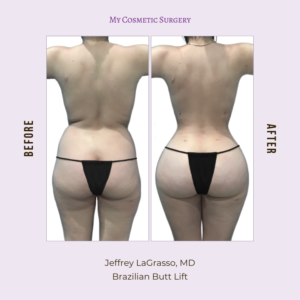
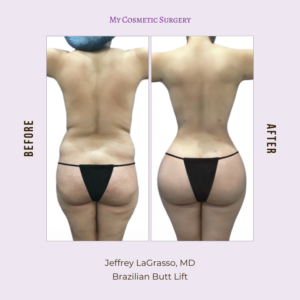
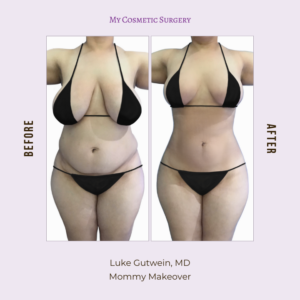
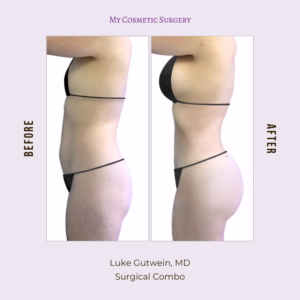
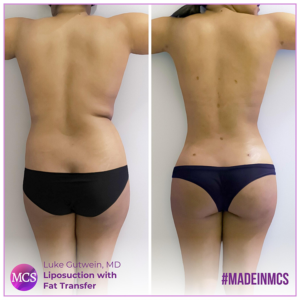
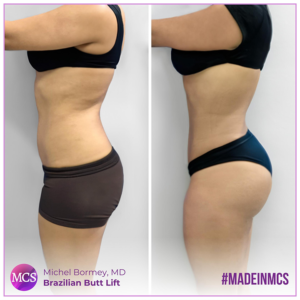
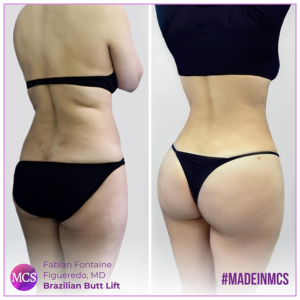
Why you'll love it
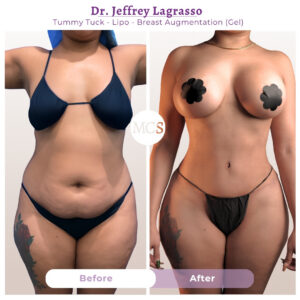
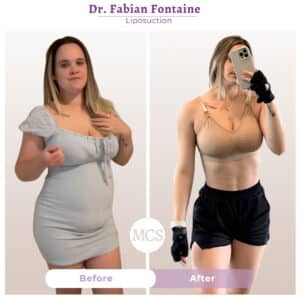
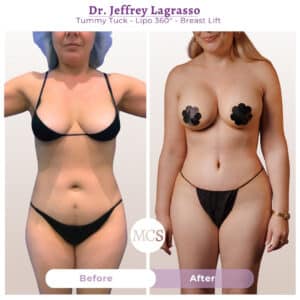
Liposuction, the art of precision fat removal, offers you the chance to shape your body contours, saying goodbye to stubborn pockets of fat that diet and exercise can't always tackle.
Overview
Procedure details
| Type | Surgical: fat removal via cannula and controlled suction; performed as traditional (tumescent), VASER, laser-assisted, or J-Plasma, alone or combined as Lipo 360. |
| Anesthesia | General for multi-area or Lipo 360 cases. |
| Duration | It is around 1 to 3 Hours, depending on the number of areas. |
| Hospital stay | Outpatient: same-day discharge |
| Areas treated | Abdomen, flanks, back, thighs, arms, chin/neck; Lipo 360 treats the abdomen, flanks, and back in one session |
| Return to work | 1 Week after the surgery was made. |
| Final results | Between 3 and 6 months, once swelling fully resolves |
| Price | From $300 per treated area; final quote confirmed at consultation based on the number of areas and technique used. |
| Financing | Available through Cherry Financing and Alphaeon |
| Consultation | Free |
THE PROCEDURE
What is liposuction and how is it performed?
Liposuction is a surgical procedure that removes localized fat deposits through a thin cannula connected to a suction device, sculpting a more balanced, proportionate contour. It is performed under general or local anesthesia depending on the areas treated, and generally takes 1 hour to 3 hours depending on how many areas are treated. Your surgeon customizes the treatment areas and technique to your goals and anatomy during your free consultation.
→ General anesthesia vs. local anesthesia: which is the best option?
What is Lipo 360, and how is it different from treating a single area?
Lipo 360 treats the abdomen, flanks, and back together in one session for a complete, circumferential result, rather than sculpting a single area in isolation. It uses the same techniques as standard liposuction — it is the number of areas and the 360-degree approach that differ, not the underlying technology.
→ Different body areas for lipo with fat transfer
Will I have scars, and where will they be?
Liposuction is performed through small incisions, Typically between 2mm to 5 mm, placed in inconspicuous locations such as natural skin folds. They fade significantly over the following months but leave a permanent, faint mark.
TECHNIQUES AND ALTERNATIVES
What liposuction techniques exist, and which do we offer?
Your choice of technique affects downtime, precision, and whether skin tightening is part of the result. Here is how the options compare:
| Technique | What it involves | Do we offer it? | Feel & considerations |
| Traditional (tumescent) | Fluid containing saline, numbing medication, and a vessel-constricting agent is injected before fat is removed by cannula. | Yes | Proven approach that suits most patients and areas; less bleeding and bruising than dry techniques. |
| VASER (ultrasound-assisted) | Ultrasound energy breaks up fat cells before suction, sparing surrounding tissue. | Yes | Smoother contours, potentially less downtime; effective for the abdomen, flanks, and thighs. |
| Laser-assisted | A laser fiber melts fat before removal and may promote mild skin tightening. | Yes | Best suited to smaller, delicate areas; added skin-tightening benefit. |
| J-Plasma | Combines cold helium plasma with radiofrequency energy to tighten skin while removing fat. | Yes | Comprehensive contouring result; suited to patients with mild-to-moderate skin laxity. |
| High-definition (ab etching) | VASER or laser technique applied around the abdominal muscles to create visible muscle definition. | Yes | Best for patients near their goal physique seeking definition, not volume reduction. |
What happens to the fat that’s removed — can it be used elsewhere?
Yes. Fat harvested during liposuction can be purified and transferred to another area, most commonly the buttocks (Brazilian Butt Lift) or the breasts, for natural volume without an implant. This must be planned before surgery, since it affects technique and the total time in the operating room.
→ Different body areas for lipo with fat transfer
CANDIDACY
Who is a good candidate for liposuction?
A good candidate for liposuction is in good general health, at or near their ideal weight 20 to 30 pounds of the ideal weight and a BMI of 30%.
Has firm and elastic skin with stubborn, localized fat that hasn’t responded to diet and exercise. Candidates should also be non-smokers, or willing to stop smoking before and after surgery, and have realistic expectations about their results.
Liposuction is a body-contouring procedure, not a weight-loss method. It removes fat from targeted areas to refine your shape, but it is not a substitute for a healthy weight or a solution for significant weight gain. Your surgeon will confirm whether you’re a candidate during your free consultation.
→ What makes you a good candidate for cosmetic surgery
Can liposuction treat loose skin or cellulite?
No. Liposuction removes fat, not excess skin, so it will not correct significant skin laxity — a tummy tuck or thigh lift addresses that instead. It is also not an effective cellulite treatment, since cellulite results from the structure of the connective tissue under the skin, not from fat volume alone.
Can I have liposuction if I smoke?
Smoking should be stopped before surgery and for a period afterward. Nicotine constricts blood vessels and reduces circulation, which slows healing and increases the risk of complications, especially in larger-volume or multi-area procedures.
Can liposuction be combined with other procedures?
Yes. It is one of the most frequently combined procedures at My Cosmetic Surgery. Common combinations include:
- Tummy tuck (abdominoplasty)
- Brazilian Butt Lift, using fat harvested during the liposuction itself
- Breast augmentation or breast lift, as part of a mommy makeover
- Arm and Thigh Lift
The right combination is decided at your consultation, based on your health and the total time required in the operating room.
→ Surgery combos at My Cosmetic Surgery
MEDICAL TEAM AND SAFETY
What are the risks of liposuction?
Like any surgery, liposuction carries risks. The most common include:
- Infection at or around the incision sites
- Bleeding during or after the procedure
- Seroma, a buildup of fluid under the skin
- Contour irregularities, such as uneven or bumpy areas
- Numbness or changes in skin sensation in the treated areas
- Asymmetry between the two sides of the body
Removing very large volumes of fat carries additional risks, including:
- Fluid imbalance in the body
- More serious complications, which are rare
At My Cosmetic Surgery, we follow all the Florida Health Safety Guidelines to keep these risks to a minimum.
PREPARATION AND RECOVERY
How do I prepare for surgery?
Stop smoking and nicotine products several weeks before and after surgery, since they slow healing. Aspirin, anti-inflammatory drugs, vitamin E, fish oil, and some herbal supplements may increase bleeding and should be paused only with your surgeon’s authorization. Arrange for a responsible adult to drive you home and help during the first few days, when lifting and reaching overhead may be difficult. Have your compression garment ready before surgery, and set up a comfortable recovery space at home in advance.
What does recovery look like week by week?
Days 1–3: Rest, with swelling and soreness managed by prescribed medication; short, gentle walks support circulation.
Week 1: Continue wearing the compression garment as directed; light walking; avoid strenuous activity.
Weeks 2–4: Return to desk work and light daily activity.
Weeks 4–6: Cleared for light cardio, progressing toward full exercise.
Months 3–6: Final results become visible as swelling fully resolves.
How long do I need to wear the compression garment?
The purpose of the garment is to minimize swelling, support the new contours, and help the skin adhere smoothly to the treated areas.
At My Cosmetic Surgery we suggest using the Compression garments for at least 1 month for 24 hours and only taking it off when you need to wash the compression garment or when you need to shower.
→ Maximizing recovery: the benefits of post-surgical compression garments
When can I return to work and to exercise?
Most patients with desk jobs return within 5 days post operative and do light cardio is typically cleared around week 4, with full exercise around week 8, once your surgeon confirms healing is on track.
→ The effectiveness of lymphatic drainage in aesthetic surgeries
RESULTS
Will fat cells come back after liposuction?
The fat cells removed during liposuction are gone permanently. However, the fat cells that remain in the treated and surrounding areas can still expand if you gain weight, which is why maintaining a stable weight is important to preserving your results.
When will I see my final results?
You’ll notice a visible change soon after surgery, but swelling masks the full result at first. Most swelling resolves within a few weeks, and final results are typically visible between 3 and 6 months, once the skin has fully retracted around the new contours.
Is liposuction a weight-loss method?
No. Liposuction is a body-contouring tool for stubborn, localized fat. It is not designed to produce significant weight loss, and removing large amounts of fat is not a safe substitute for a healthy diet and exercise routine.
COST AND LOGISTICS
How much does liposuction cost in Miami, and do you offer financing?
Liposuction starts from $300 per treated area. Because the final price depends on the number of areas, technique, and any combination with other procedures, your exact quote is confirmed during your free consultation with our coordinators. Financing is available through Cherry Financing and Alphaeon.
Is there a charge for the consultation?
No. Consultations at My Cosmetic Surgery are completely free.
If I’m traveling from another city, how many days should I stay in Miami?
At My Cosmetic Surgery we recommends planning enough time in Miami for your initial recovery and at least one postoperative follow-up before flying home. Out team will confirm the exact timeline for your case at consultation.
Schedule your consultation
Book a free consultation with My Cosmetic Surgery to discuss your goals, review your medical history, and determine which liposuction technique and treatment areas are right for you. Call us at (305) 264-9636 to schedule your consultation.




What to Expect
Step 1: Initial Consultation
Step 2: Surgeon Evaluation
Step 3: Preparing for Surgery
Step 4: Surgery Day
Step 5: Post-Op Care
Step 1: Initial Consultation
Let’s kick off your #madeinmcs plastic surgery journey! Our patient coordinators are here to guide you. They’ll help with paperwork, choosing the right surgeon, and even assist remotely if needed. Whether you’re close by or far away, they’ll make sure you’re all set with forms, clear instructions, and a way to send photos to your surgeon. If you’re ready to begin or have questions, feel free to reach out to us at (305) 264 – 9636 or fill in our Contact Form. Our team is excited to assist you on this exciting journey.
Step 2: Surgeon Evaluation
Following your consultations with our coordinators, you will embark on a vital stage where your aspirations align with the specialized knowledge of your chosen surgeon. This isn’t just a conversation; it’s a collaborative session where you will discuss your objectives, medical history, and craft a comprehensive plan together. We will openly and candidly address topics such as anesthesia, recovery, and any potential challenges that may arise during your journey.
Step 3: Preparing for Surgery
Now that you’re preparing for surgery, our surgery coordinators step in. They’ll make sure everything is perfectly aligned. From scheduling the right time for your procedure to collecting essential forms, they’ll guide you. You’ll also get the full details on pre-op tests like blood work and scans, and financial details will be covered too.
Step 4: Surgery Day
Your big day is here, and we’re as excited as you! To keep things safe, we’ll ask you to skip dinner and drinks the night before – a precaution for the anesthesia. On surgery day, come in early for a thorough prep. Our skilled surgeon and team will take over from there. After surgery, our attentive medical staff will take care of you. When you’re ready, you’ll head home with a support person for a comfortable recovery.
Step 5: Post-Op Care
Once the surgery lights dim, your journey to recovery begins. Follow our easy care instructions closely for optimal healing. Listen to your surgeon’s advice about changing bandages, taking care of incisions, and managing any discomfort. Don’t skip those follow-up appointments – they’re important to track your progress. Keep in mind, different procedures have different recovery timelines. Your surgeon’s expertise will guide you towards successful healing and achieving the results you desire.
Checklist
- Adhere strictly to the instructions provided by your surgeon, including any prescribed medications and post-operative care guidelines.
- Wearing compression garments as recommended by your surgeon helps minimize swelling, promote healing, and maintain your new contours.
- Allow your body time to heal by avoiding strenuous activities, heavy lifting, and intense workouts for a few weeks after the procedure.
- Drinking plenty of water aids in reducing swelling and supports the body's natural healing process.
- Consume a balanced diet rich in nutrients to support healing and help your body recover efficiently.
- Refrain from alcohol and tobacco products as they can hinder the healing process and increase the risk of complications.
FAQs
Will the fat cells come back after liposuction?
Fat cells removed during liposuction won’t return, but maintaining a healthy lifestyle is important to prevent new fat accumulation.
Can liposuction be repeated if fat returns in the treated area?
The fat cells removed during your first procedure do not return, but a touch-up in a treated area, or liposuction in a new area, is possible if your surgeon determines you’re a candidate at a follow-up consultation.
Is liposuction covered by insurance?
No. Liposuction is a cosmetic, elective procedure and is not covered by insurance. We offer financing through Cherry Financing and Alphaeon is available to spread the cost over time.
Can I undergo liposuction if I have loose or sagging skin?
Liposuction is most effective when the skin has good elasticity. In cases of significant skin laxity, additional procedures like a tummy tuck might be recommended to achieve the desired results. Your surgeon will assess your skin quality during the consultation.
Can liposuction treat cellulite?
Liposuction can improve the appearance of mild cellulite, but it’s not a primary treatment for severe cellulite. Other procedures might be more effective for that purpose.
Liposuction | Our Surgeons
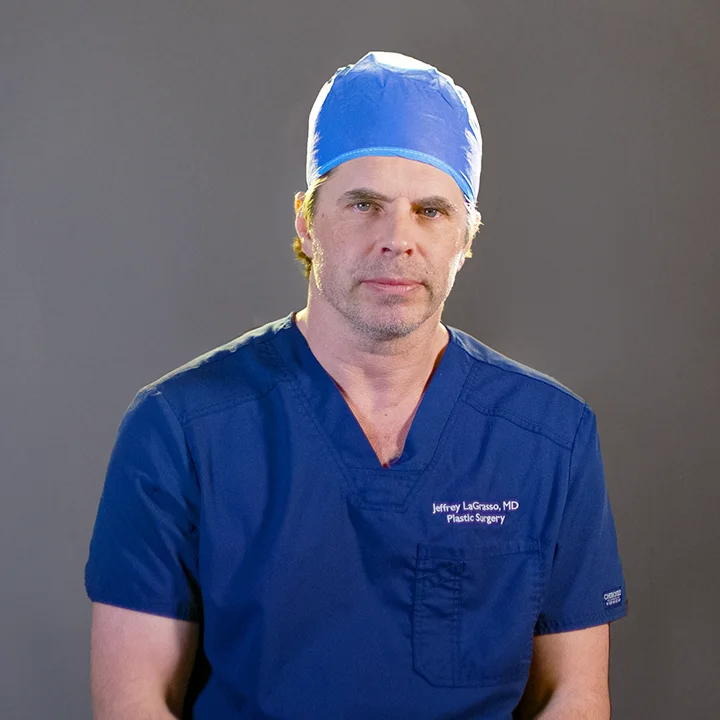
Jeffrey LaGrasso, MD
Board Certified Plastic and Reconstructive Surgeon
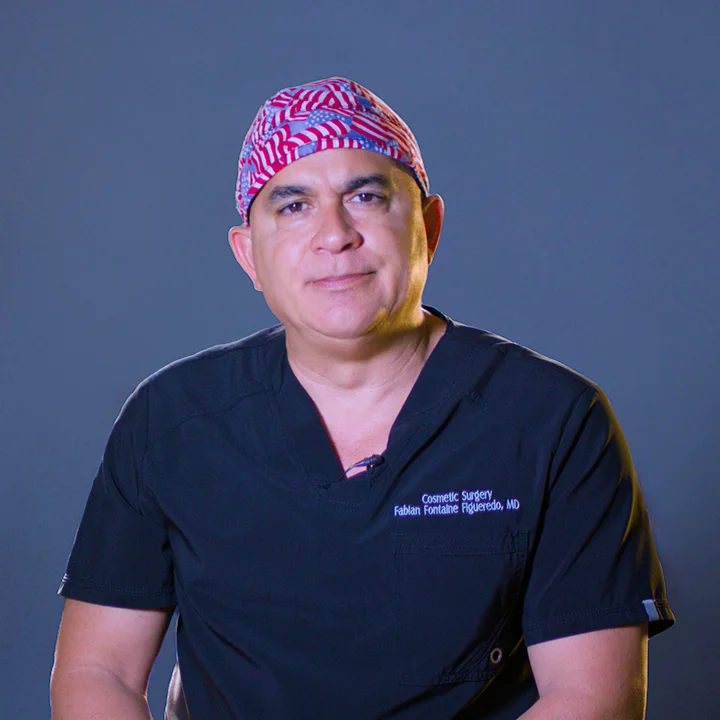
Fabian Fontaine Figueredo, MD
Board Certified Cosmetic Surgeon
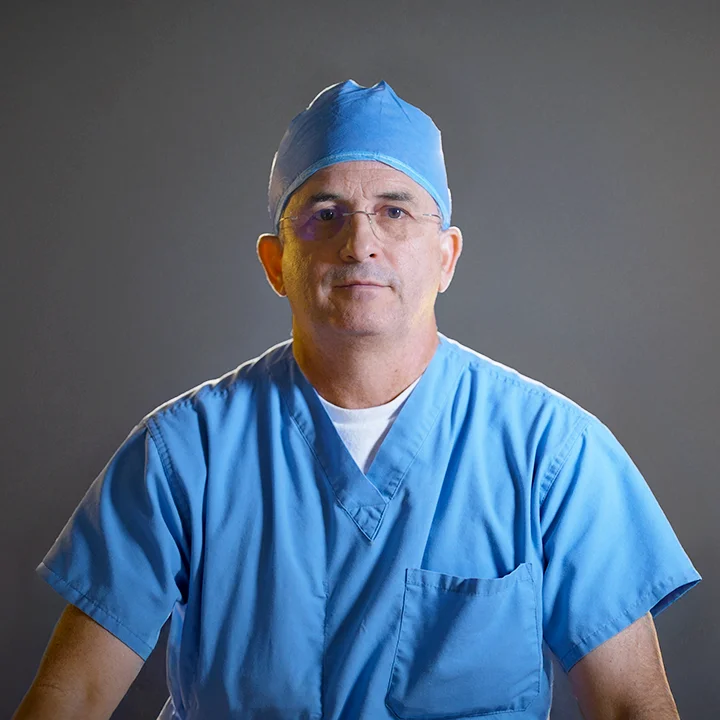
Michel Bormey, MD
Board Certified Cosmetic Surgeon
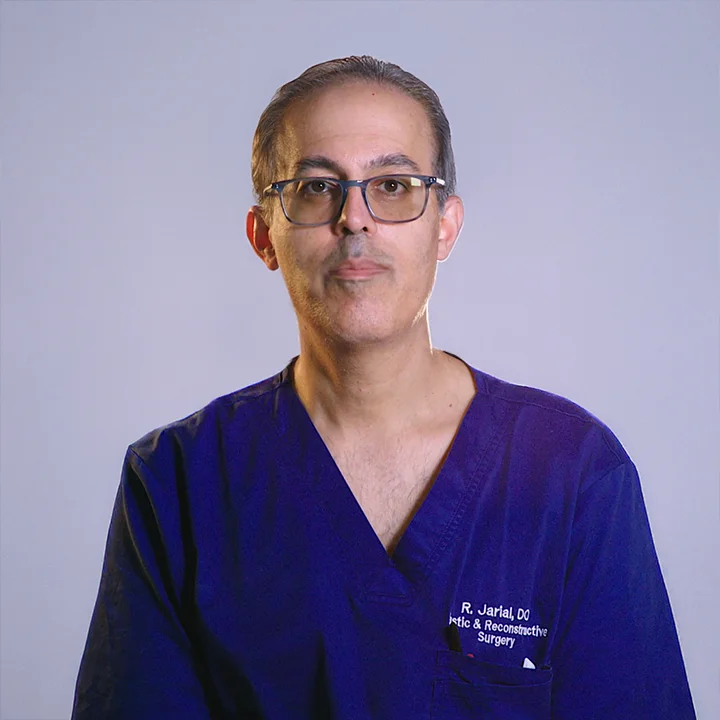
Ravinder Jarial, DO
Board Certified Plastic Surgeon
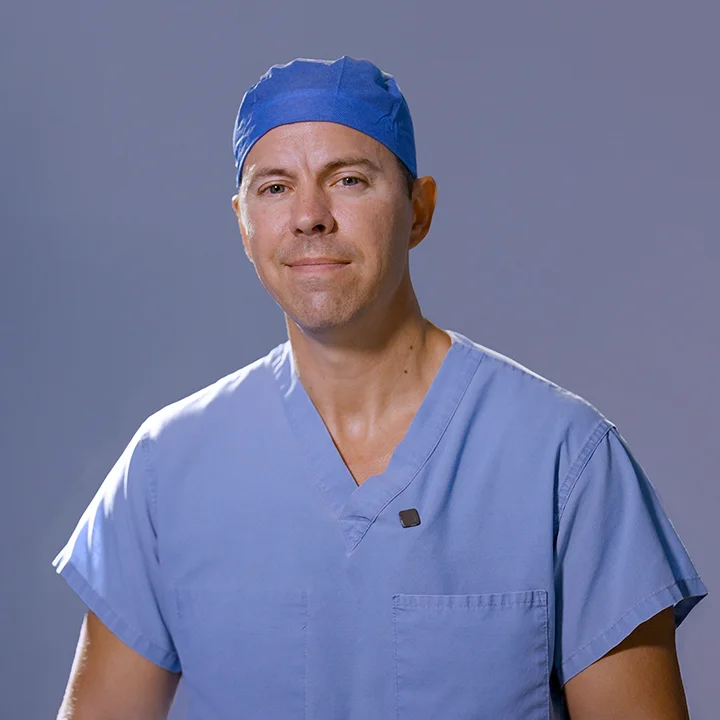
Luke Gutwein, MD
Board Certified Plastic and Reconstructive Surgeon

W. Scott McDonald, MD
Board Certified Plastic Surgeon
Liposuction | #madeinmcs
- All
- Fabian Fontaine Figueredo, MD
- Jeffrey LaGrasso, MD
- Luke Gutwein, MD
- Ravinder Jarial, DO
#madeinmcs Journey
Step 1: Initial Consultation
Step 2: Surgeon Evaluation
Step 3: Preparing for Surgery
Step 4: Surgery Day
Step 5: Post-Op Care
Step 1: Initial Consultation
Let’s kick off your #madeinmcs plastic surgery journey! Our patient coordinators are here to guide you. They’ll help with paperwork, choosing the right surgeon, and even assist remotely if needed. Whether you’re close by or far away, they’ll make sure you’re all set with forms, clear instructions, and a way to send photos to your surgeon. If you’re ready to begin or have questions, feel free to reach out to us at (305) 264 – 9636 or fill in our Contact Form. Our team is excited to assist you on this exciting journey.
Step 2: Surgeon Evaluation
Following your consultations with our coordinators, you will embark on a vital stage where your aspirations align with the specialized knowledge of your chosen surgeon. This isn’t just a conversation; it’s a collaborative session where you will discuss your objectives, medical history, and craft a comprehensive plan together. We will openly and candidly address topics such as anesthesia, recovery, and any potential challenges that may arise during your journey.
Step 3: Preparing for Surgery
Now that you’re preparing for surgery, our surgery coordinators step in. They’ll make sure everything is perfectly aligned. From scheduling the right time for your procedure to collecting essential forms, they’ll guide you. You’ll also get the full details on pre-op tests like blood work and scans, and financial details will be covered too.
Step 4: Surgery Day
Your big day is here, and we’re as excited as you! To keep things safe, we’ll ask you to skip dinner and drinks the night before – a precaution for the anesthesia. On surgery day, come in early for a thorough prep. Our skilled surgeon and team will take over from there. After surgery, our attentive medical staff will take care of you. When you’re ready, you’ll head home with a support person for a comfortable recovery.
Step 5: Post-Op Care
Once the surgery lights dim, your journey to recovery begins. Follow our easy care instructions closely for optimal healing. Listen to your surgeon’s advice about changing bandages, taking care of incisions, and managing any discomfort. Don’t skip those follow-up appointments – they’re important to track your progress. Keep in mind, different procedures have different recovery timelines. Your surgeon’s expertise will guide you towards successful healing and achieving the results you desire.
Liposuction | Checklist
- Adhere strictly to the instructions provided by your surgeon, including any prescribed medications and post-operative care guidelines.
- Wearing compression garments as recommended by your surgeon helps minimize swelling, promote healing, and maintain your new contours.
- Allow your body time to heal by avoiding strenuous activities, heavy lifting, and intense workouts for a few weeks after the procedure.
- Drinking plenty of water aids in reducing swelling and supports the body's natural healing process.
- Consume a balanced diet rich in nutrients to support healing and help your body recover efficiently.
- Refrain from alcohol and tobacco products as they can hinder the healing process and increase the risk of complications.
Liposuction | FAQS
Will the fat cells come back after liposuction?
Fat cells removed during liposuction won’t return, but maintaining a healthy lifestyle is important to prevent new fat accumulation.
Can liposuction be repeated if fat returns in the treated area?
The fat cells removed during your first procedure do not return, but a touch-up in a treated area, or liposuction in a new area, is possible if your surgeon determines you’re a candidate at a follow-up consultation.
Is liposuction covered by insurance?
No. Liposuction is a cosmetic, elective procedure and is not covered by insurance. We offer financing through Cherry Financing and Alphaeon is available to spread the cost over time.
Can I undergo liposuction if I have loose or sagging skin?
Liposuction is most effective when the skin has good elasticity. In cases of significant skin laxity, additional procedures like a tummy tuck might be recommended to achieve the desired results. Your surgeon will assess your skin quality during the consultation.
Can liposuction treat cellulite?
Liposuction can improve the appearance of mild cellulite, but it’s not a primary treatment for severe cellulite. Other procedures might be more effective for that purpose.
FREE EVALUATION
Related Blog Posts



Testimonials
“Excellent clinic! 15 days ago, I had surgery with Doctor Jeffrey La Grasso, I had four lipo areas, double chin, a tummy tuck, and a breast lift. I am very satisfied with the results that I am seeing. I recommend the clinic 100%"
Yahima RojoAugust 8, 2023
"I cannot express how thrilled I am with the results from Dr. Luke, and their team are true experts in their field. From the initial consultation to the final follow-up, the care and attention I received were outstanding. My confidence has soared, and I am incredibly grateful for the amazing work they've done. I wholeheartedly recommend My Cosmetic Surgery to anyone seeking top-notch plastic surgery."
Camila MendezFebruary 26, 2023