Breast Augmentation
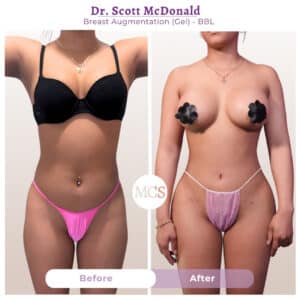
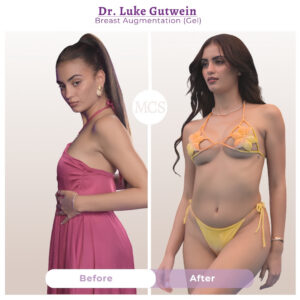
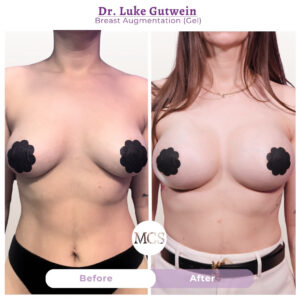
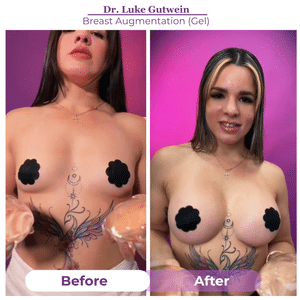
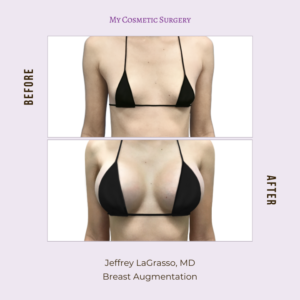
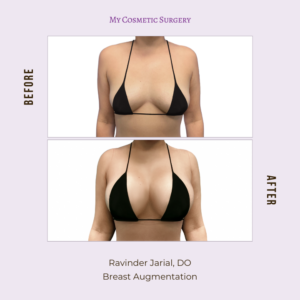
Breast augmentation empowers individuals to achieve their desired breast size and shape, enhancing their natural contours and embracing newfound confidence.

Breast Augmentation | Overview
Procedure details
| Type | Surgical: implant placement (saline, silicone, or form-stable gel) or fat transfer to the breast |
| Anesthesia | General |
| Duration | 2 Hours |
| Hospital stay | Outpatient: same-day discharge |
| Implant options | Saline and silicone gel confirmed offered; with chances to personalize the implant like Teardrops or Gummy Bear. |
| Return to work | Within 1 week depending on the type of job. |
| Final results | Between 3 months and 6 months |
| Price | Starting from 2,800$ with Financial Plan Available |
| Financing | Available through Cherry Financing and Alphaeon |
| Consultation | Free |
THE PROCEDURE
What is breast augmentation and how is it performed?
It is a surgery that increases breast size and reshapes the chest by placing an implant in a surgical pocket behind the breast tissue, or by transferring the patient’s own fat into the breast. The operation itself takes about 2 hours where you can select the type of size, implant that you need. We will also check and guide you through the entire process during your first free consultation.
What are the incision options, and where will my scars be?
The three most common incisions are inframammary (in the fold under the breast), periareolar (around the edge of the areola), and transaxillary (through the armpit). Placement depends on implant type, implant size, and your surgeon’s recommendation. Every incision leaves a permanent mark, but it is placed to be as inconspicuous as possible and fades significantly over the following months. During the consultation we will determine what’s the best type of incision you need, since each case is different.
Should the implant sit above or below the muscle?
Implants can be placed sub glandular (over the muscle, under the breast tissue) or submuscular (under the pectoral muscle). Submuscular placement is more common because it gives fuller, more natural-looking coverage especially for patients with less natural breast tissue. Sub glandular placement can suit certain anatomies and involves less post-operative muscle soreness. Your surgeon recommends a plane based on your tissue thickness and goals.
How long does the surgery take, and what anesthesia is used?
Breast augmentation is performed under general anesthesia and takes around 1 hour to 2 hours. Throughout the process you are monitored by our anesthesia professional Andres Vasquez, CRNA – MNA and go home the same day once you are alert and stable, we highly recommend that you have someone to come alongside you, so that person can transport you safely to your house.
→ The importance of the anesthesiologist in cosmetic surgery
IMPLANT TYPES AND ALTERNATIVES
What types of breast implants exist, and which do you offer?
Your choice of implant affects feel, incision size, and long-term monitoring. Here is how the options compare:
| Implant type | What it involves | Do we offer it? | Feel & considerations |
| Saline | Silicone shell placed empty, then filled with sterile saltwater once positioned. | Yes | Firmer feel; smallest incision; immediately noticeable if it ruptures. FDA-approved from age 18. |
| Silicone gel | Pre-filled with a soft, cohesive gel that mimics natural breast tissue. | Yes | Soft, natural feel; slightly larger incision. FDA-approved from age 22; periodic imaging recommended to check for silent rupture. |
| Form-stable (“gummy bear”) | Highly cohesive gel that holds its shape, available in round or teardrop profiles. | Yes | Lowest risk of visible rippling; premium pricing tier; holds shape even if the shell is compromised. |
| Fat transfer (no implant) | Liposuction harvests your own fat, which is purified and injected into the breast. | Yes | Natural feel and material; modest, gradual increase; no implant-related risks; may take more than one session for a larger change. |
Do teardrop (anatomical) implants have advantages over round ones, and can they move?
Teardrop implants taper at the top to mimic the slope of a natural breast and can look more subtle in patients with little natural tissue; round implants give more upper-pole fullness and typically cost less. Because a teardrop implant’s look depends on it staying correctly oriented, rotation is a genuine, if uncommon, risk a shaped or textured surface is designed to reduce it, and a rotated implant may need a second surgery to correct.
Can I get a breast augmentation without implants, using my own fat?
Yes. Fat transfer breast augmentation harvests fat from areas like the abdomen or thighs, purifies it, and injects it into the breast for a natural, permanent increase without a foreign implant. It typically adds a more modest volume than an implant, and suits patients seeking a subtle-to-moderate increase who also want fat removed from another area.
→ Discover the advantages of breast augmentation with your own fat
Do I need a breast lift (mastopexy) along with my augmentation?
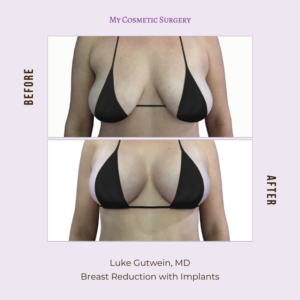
Augmentation adds volume; it does not correct significant sagging. If the nipple sits at or below the breast crease, or the skin has lost significant elasticity, common after pregnancy or major weight loss, a combined lift repositions the breast so it sits well on an implant that would otherwise ride too low. Your surgeon determines whether you need one during your consultation.
CANDIDACY
Who is a good candidate for breast augmentation?
A patient whose breasts are fully developed, who is in good general health, near a stable weight, and has realistic expectations about size and shape. Saline implants are FDA-approved from age 18; silicone gel implants from age 22.
→ What makes you a good candidate for cosmetic surgery
Can breast implants correct asymmetry between my breasts?
Yes. Using different implant sizes, or placing an implant on only one side, can even out a natural difference in size or shape between breasts.
→ Correct breast asymmetry with breast augmentation
Can I have surgery if I smoke?
Smoking should be discontinued before surgery and for a period afterward. Nicotine constricts blood vessels and reduces circulation, which slows healing and, for fat-transfer augmentation, threatens the survival of the grafted fat and may affect the cicatrization from the incisions.
Can I combine breast augmentation with other procedures?
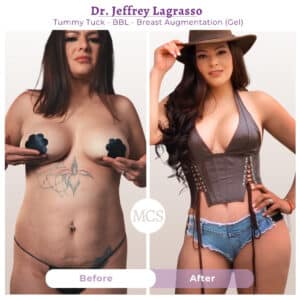
Yes. It is commonly combined with other body-contouring surgeries as part of a broader transformation. Frequent combinations include:
- Tummy tuck (abdominoplasty)
- Liposuction
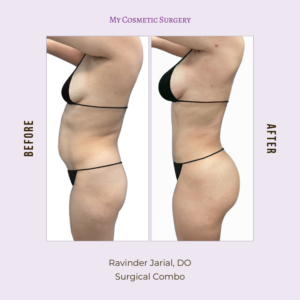
- Brazilian Butt Lift, often as part of a mommy makeover
- Breast lift
The right combination is decided at your consultation, based on your health and the total time required in the operating room.
→ Surgery combos at My Cosmetic Surgery
MEDICAL TEAM AND SAFETY
What are the risks of breast augmentation?
Like any surgery, breast augmentation carries risks: infection, bleeding, changes in nipple or breast sensation, and asymmetry. Risks specific to implants include capsular contracture, rupture or deflation, and implant malposition. In My Cosmetic Surgery, we follow the Florida Safety Guidelines so this risks are minimal.
What is the feeling after the surgery?
Every patient’s recovery is a little different, depending on factors like implant size, whether the implants are placed above or below the chest muscle, and how your body responds to healing. Still, most patients experience a similar pattern in the days and weeks after surgery, and knowing what to expect can help you feel more confident and comfortable during your recovery.
Waking up from anesthesia
As the anesthesia wears off, it’s common to feel groggy, sleepy, or slightly disoriented for a few hours. Some patients also experience mild nausea, a dry throat, or chills. These effects are temporary and usually fade the same day. Our team will monitor you closely and make sure you’re stable and comfortable before you go home.
The first few days
Once the anesthesia has fully worn off, most patients describe a feeling of tightness, pressure, or heaviness across the chest, along with soreness in the breasts. This sensation is often stronger when implants are placed under the muscle, since the muscle needs time to stretch and adjust. Discomfort is usually most noticeable during the first two to three days and is well managed with the medication prescribed by your surgeon. You may also notice swelling, bruising, and some difficulty raising your arms, which is normal at this stage.
What is capsular contracture, and how is it prevented?
Capsular contracture is the tightening of the natural scar tissue (capsule) that forms around any implant, which can make the breast feel firm or look distorted. Its likelihood is influenced by surgical technique, implant placement, and post-operative care.
As previously mention in My Cosmetic Surgery we take all the necessary precautions in order to prevent the capsular contracture to happen in the areas of development. Following to the post-operative instructions, taking any prescribed antibiotics as directed, avoiding smoking and nicotine, and attending all follow-up appointments all help support healthy healing. Some surgeons also recommend specific breast massage exercises after surgery, but you should only begin these if your surgeon advises it, since recommendations vary by implant type and technique.
PREPARATION AND RECOVERY
How do I prepare for surgery?
Preparing properly for breast augmentation helps ensure a safer procedure and a smoother recovery. If you are due for routine breast cancer screening, your surgeon may ask you to complete a baseline mammogram or clinical breast exam before surgery, and you may also need pre-operative lab work or medical clearance depending on your health history. If you smoke or use nicotine products, you’ll need to stop several weeks before and after surgery, since nicotine reduces blood flow and can slow healing. Certain medications and supplements, such as aspirin, anti-inflammatory drugs, vitamin E, fish oil, and some herbal products, may increase bleeding and should be paused only with your surgeon’s or physician’s authorization. You’ll also need to arrange for a responsible adult to drive you home after surgery and to have someone help you during the first few days, when lifting, reaching overhead, and everyday tasks may be difficult. It’s a good idea to prepare your home in advance by placing frequently used items within easy reach, setting up a comfortable recovery area where you can rest with your upper body elevated, and having your prescribed medications, surgical bra, and loose, front-closing tops ready. Finally, be sure to follow your surgeon’s instructions about eating, drinking, and showering the night before and the morning of your procedure.
→ Medications to avoid before and after breast augmentation
What does recovery look like week by week?
Days 1–3: During the first days post-operative the patient needs to rest, and will feel tightness, and swelling, managed with prescribed pain medication.
Week 1: We recommend rest during this week, use the compress garment and change the bandages, make sure to take gentle walks.
Weeks 2–4: The patient may return to their proper desk work and start doing light daily activity.
Weeks 4–6: The patient is cleared to do light cardio, progressing toward full upper-body exercise.
Months 3–6: implants settle into their final position as swelling fully resolves.
→ Breast augmentation recovery journey, week by week
How long do I have to wear the compression or support bra?
From the first month it is recommended to use the compression bra garment 24 Hours and only take it off when you need to shower.
After the First Month you can reduce the hours of use from 24 hours to only 12 hours a day, The use of the compression garment is to reduce swelling, and help in the healing process as to help the body to recover properly.
→ Compression garments after plastic surgery
When can I drive again?
You can drive again after the first week post operation, the most important thing to note about it is that you need to be comfortable using the seat belt and you are in all your senses. We recommend driving short distances and from there the patient can determine if they are fully capable of driving again and see their comfortability during it.
When can I return to work and to exercise?
Most patients with desk jobs return within about a week. If the patient is used to having a more active job we suggest adding another week of rest. Regarding the exercise Light cardio is typically cleared around week 4, with full upper-body and high-impact exercise around week 6, once your surgeon confirms healing is on track.
RESULTS
Will I lose sensation in my breasts after augmentation?
Temporary changes in nipple or breast sensation (increased sensitivity, numbness, or both) are common in the first weeks and usually resolve as swelling subsides and nerves recover. Permanent sensation changes are uncommon but possible, and are tied more closely to incision location and implant size than to implant type.
Can I breastfeed after breast augmentation?
Most patients can breastfeed after breast augmentation. Implants are placed behind the breast tissue or beneath the chest muscle, rather than inside the milk ducts or glandular tissue, so the ability to produce and deliver milk is usually preserved. Several factors can influence this, however, including the incision location, implant placement, and implant size. A periareolar incision, made around the edge of the areola, carries a slightly higher chance of affecting milk ducts and nipple nerves than an inframammary incision (in the crease beneath the breast) or a transaxillary incision (in the armpit). Placing the implant beneath the muscle may also reduce pressure on the glandular tissue. Because nipple sensation plays a role in the milk let-down reflex, any temporary or lasting changes in sensation after surgery can also affect breastfeeding for some women. It’s also worth knowing that some women experience breastfeeding challenges regardless of whether they’ve had surgery. If future breastfeeding is a priority for you, be sure to share this with your surgeon during your free consultation so together you can choose the incision, placement, and implant size that best support your goals.
→ Breast augmentation before pregnancy: everything you need to know
How long do breast implants last, and do they need monitoring?
According to the FDA Modern implants are not lifetime devices. Many last 10 to 20 years, but neither saline nor silicone is guaranteed to last a specific number of years, and either may need replacement sooner due to rupture, contracture, or a change in your goals. The FDA recommends routine ultrasound or MRI screening for silicone implants starting around 5 to 6 years after surgery, and every 2 to 3 years after that, to check for silent rupture.
When are the final results visible, and will they look natural?
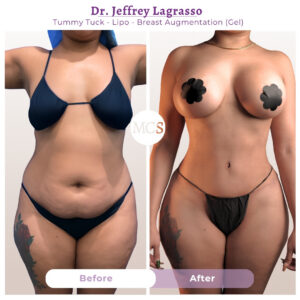
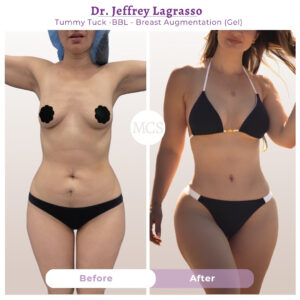
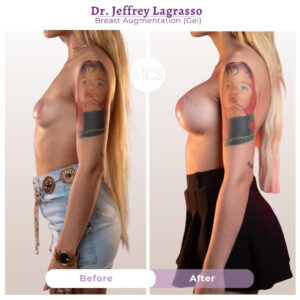
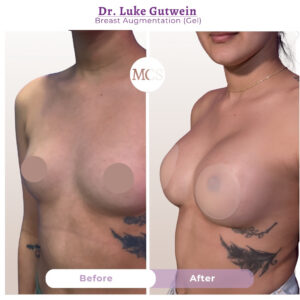
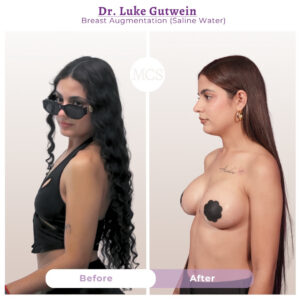
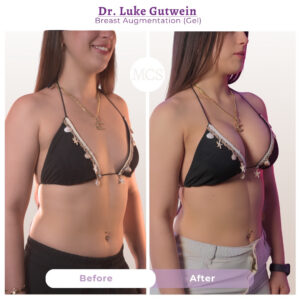
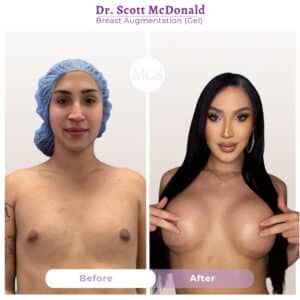
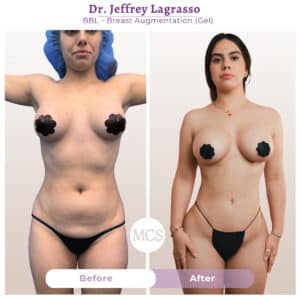
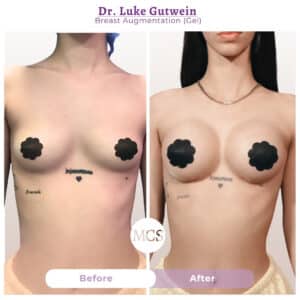
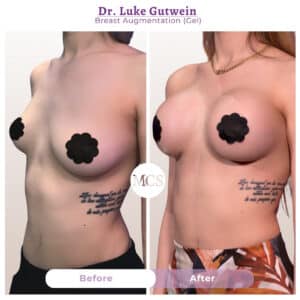
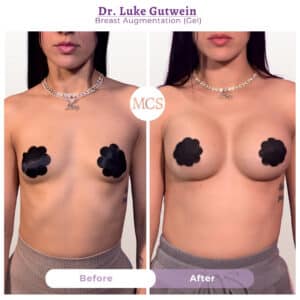
You’ll notice an immediate change in breast size and shape right after surgery, but your final results take time to fully develop. In the first few weeks, the breasts often look high, firm, and swollen, and they may appear slightly uneven as each side heals at its own pace. Most of the initial swelling subsides within a few weeks, and over the following months the chest muscle and skin relax, allowing the implants to gradually settle lower into a more natural position while the breasts soften and take on a rounder, more natural contour, a process often called “drop and fluff.”
Final results are typically visible between three and six months after surgery, although for some patients, especially those with implants placed beneath the muscle, subtle settling can continue for up to a year. As for looking natural, the outcome depends largely on careful planning before surgery. During your consultation, your surgeon will evaluate your chest measurements, breast tissue, skin elasticity, and body proportions to recommend the implant size, shape, profile, and placement that best complement your frame. Choosing an implant that suits your anatomy, rather than simply the largest size possible, is one of the most important factors in achieving results that look and feel natural. Following your post-operative instructions, wearing your surgical bra as directed, and attending all follow-up appointments will also help your results settle beautifully over time.
→ Breast augmentation: enhance your confidence with natural-looking results
COST AND LOGISTICS
How much does breast augmentation cost in Miami, and do you offer financing?
The Breast Augmentation procedure starts from $2,800 and may change depending on the type of implant you wish to do. Financing is available through Cherry Financing, with monthly payment plans starting at $ 280.
If I’m traveling from another city, how many days should I stay in Miami?
If you’re traveling to Miami for breast augmentation, My Cosmetic Surgery recommends planning to stay for at least two weeks. This allows time for your initial recovery and postoperative appointments with our team.
Many patients begin to feel more comfortable after the first several days, but recovery varies. Swelling can last for weeks, and your surgeon will advise you when it is appropriate to travel and resume normal activities. We’ll review your follow-up plan with you before surgery.
Schedule your consultation
Book a free consultation with My Cosmetic Surgery to discuss your goals, review your medical history, and determine whether the procedure is appropriate for you. If you’re traveling to Miami, our team can also help you understand the recommended stay and follow-up schedule.
Call us at (305) 264-9636 to schedule your consultation.
#madeinmcs
- All
- Jeffrey LaGrasso, MD
- Luke Gutwein, MD
- Michel Bormey, MD
- Ravinder Jarial, DO
- W. Scott McDonald, MD
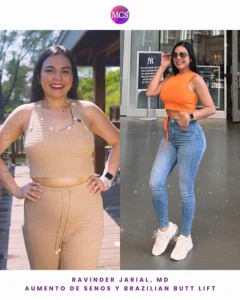
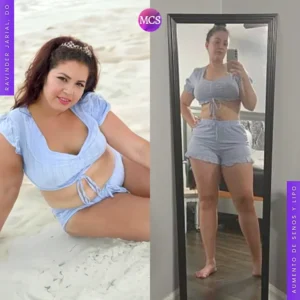
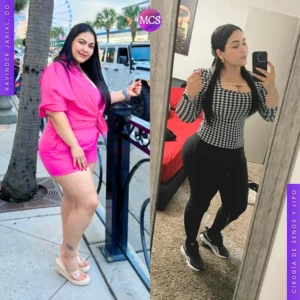


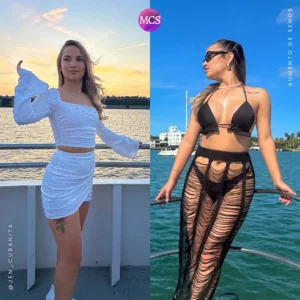


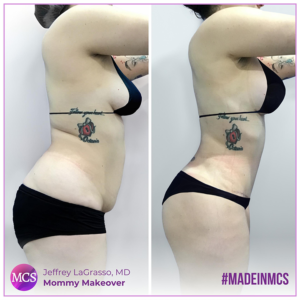
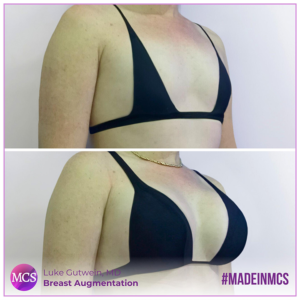
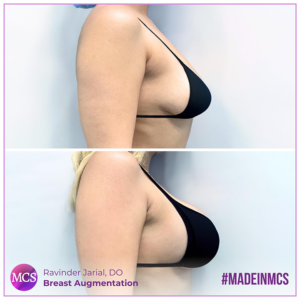
Why you'll love it
Breast augmentation empowers individuals to achieve their desired breast size and shape, enhancing their natural contours and embracing newfound confidence.
Overview
Procedure details
| Type | Surgical: implant placement (saline, silicone, or form-stable gel) or fat transfer to the breast |
| Anesthesia | General |
| Duration | 2 Hours |
| Hospital stay | Outpatient: same-day discharge |
| Implant options | Saline and silicone gel confirmed offered; with chances to personalize the implant like Teardrops or Gummy Bear. |
| Return to work | Within 1 week depending on the type of job. |
| Final results | Between 3 months and 6 months |
| Price | Starting from 2,800$ with Financial Plan Available |
| Financing | Available through Cherry Financing and Alphaeon |
| Consultation | Free |
THE PROCEDURE
What is breast augmentation and how is it performed?
It is a surgery that increases breast size and reshapes the chest by placing an implant in a surgical pocket behind the breast tissue, or by transferring the patient’s own fat into the breast. The operation itself takes about 2 hours where you can select the type of size, implant that you need. We will also check and guide you through the entire process during your first free consultation.
What are the incision options, and where will my scars be?
The three most common incisions are inframammary (in the fold under the breast), periareolar (around the edge of the areola), and transaxillary (through the armpit). Placement depends on implant type, implant size, and your surgeon’s recommendation. Every incision leaves a permanent mark, but it is placed to be as inconspicuous as possible and fades significantly over the following months. During the consultation we will determine what’s the best type of incision you need, since each case is different.
Should the implant sit above or below the muscle?
Implants can be placed sub glandular (over the muscle, under the breast tissue) or submuscular (under the pectoral muscle). Submuscular placement is more common because it gives fuller, more natural-looking coverage especially for patients with less natural breast tissue. Sub glandular placement can suit certain anatomies and involves less post-operative muscle soreness. Your surgeon recommends a plane based on your tissue thickness and goals.
How long does the surgery take, and what anesthesia is used?
Breast augmentation is performed under general anesthesia and takes around 1 hour to 2 hours. Throughout the process you are monitored by our anesthesia professional Andres Vasquez, CRNA – MNA and go home the same day once you are alert and stable, we highly recommend that you have someone to come alongside you, so that person can transport you safely to your house.
→ The importance of the anesthesiologist in cosmetic surgery
IMPLANT TYPES AND ALTERNATIVES
What types of breast implants exist, and which do you offer?
Your choice of implant affects feel, incision size, and long-term monitoring. Here is how the options compare:
| Implant type | What it involves | Do we offer it? | Feel & considerations |
| Saline | Silicone shell placed empty, then filled with sterile saltwater once positioned. | Yes | Firmer feel; smallest incision; immediately noticeable if it ruptures. FDA-approved from age 18. |
| Silicone gel | Pre-filled with a soft, cohesive gel that mimics natural breast tissue. | Yes | Soft, natural feel; slightly larger incision. FDA-approved from age 22; periodic imaging recommended to check for silent rupture. |
| Form-stable (“gummy bear”) | Highly cohesive gel that holds its shape, available in round or teardrop profiles. | Yes | Lowest risk of visible rippling; premium pricing tier; holds shape even if the shell is compromised. |
| Fat transfer (no implant) | Liposuction harvests your own fat, which is purified and injected into the breast. | Yes | Natural feel and material; modest, gradual increase; no implant-related risks; may take more than one session for a larger change. |
Do teardrop (anatomical) implants have advantages over round ones, and can they move?
Teardrop implants taper at the top to mimic the slope of a natural breast and can look more subtle in patients with little natural tissue; round implants give more upper-pole fullness and typically cost less. Because a teardrop implant’s look depends on it staying correctly oriented, rotation is a genuine, if uncommon, risk a shaped or textured surface is designed to reduce it, and a rotated implant may need a second surgery to correct.
Can I get a breast augmentation without implants, using my own fat?
Yes. Fat transfer breast augmentation harvests fat from areas like the abdomen or thighs, purifies it, and injects it into the breast for a natural, permanent increase without a foreign implant. It typically adds a more modest volume than an implant, and suits patients seeking a subtle-to-moderate increase who also want fat removed from another area.
→ Discover the advantages of breast augmentation with your own fat
Do I need a breast lift (mastopexy) along with my augmentation?
Augmentation adds volume; it does not correct significant sagging. If the nipple sits at or below the breast crease, or the skin has lost significant elasticity, common after pregnancy or major weight loss, a combined lift repositions the breast so it sits well on an implant that would otherwise ride too low. Your surgeon determines whether you need one during your consultation.
CANDIDACY
Who is a good candidate for breast augmentation?
A patient whose breasts are fully developed, who is in good general health, near a stable weight, and has realistic expectations about size and shape. Saline implants are FDA-approved from age 18; silicone gel implants from age 22.
→ What makes you a good candidate for cosmetic surgery
Can breast implants correct asymmetry between my breasts?
Yes. Using different implant sizes, or placing an implant on only one side, can even out a natural difference in size or shape between breasts.
→ Correct breast asymmetry with breast augmentation
Can I have surgery if I smoke?
Smoking should be discontinued before surgery and for a period afterward. Nicotine constricts blood vessels and reduces circulation, which slows healing and, for fat-transfer augmentation, threatens the survival of the grafted fat and may affect the cicatrization from the incisions.
Can I combine breast augmentation with other procedures?
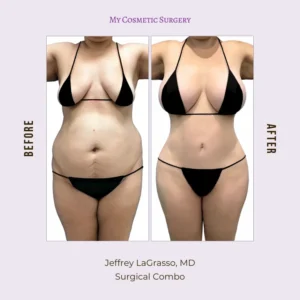
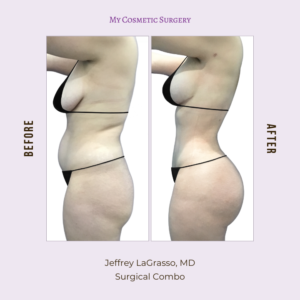
Yes. It is commonly combined with other body-contouring surgeries as part of a broader transformation. Frequent combinations include:
- Tummy tuck (abdominoplasty)
- Liposuction
- Brazilian Butt Lift, often as part of a mommy makeover
- Breast lift
The right combination is decided at your consultation, based on your health and the total time required in the operating room.
→ Surgery combos at My Cosmetic Surgery
MEDICAL TEAM AND SAFETY
What are the risks of breast augmentation?
Like any surgery, breast augmentation carries risks: infection, bleeding, changes in nipple or breast sensation, and asymmetry. Risks specific to implants include capsular contracture, rupture or deflation, and implant malposition. In My Cosmetic Surgery, we follow the Florida Safety Guidelines so this risks are minimal.
What is the feeling after the surgery?
Every patient’s recovery is a little different, depending on factors like implant size, whether the implants are placed above or below the chest muscle, and how your body responds to healing. Still, most patients experience a similar pattern in the days and weeks after surgery, and knowing what to expect can help you feel more confident and comfortable during your recovery.
Waking up from anesthesia
As the anesthesia wears off, it’s common to feel groggy, sleepy, or slightly disoriented for a few hours. Some patients also experience mild nausea, a dry throat, or chills. These effects are temporary and usually fade the same day. Our team will monitor you closely and make sure you’re stable and comfortable before you go home.
The first few days
Once the anesthesia has fully worn off, most patients describe a feeling of tightness, pressure, or heaviness across the chest, along with soreness in the breasts. This sensation is often stronger when implants are placed under the muscle, since the muscle needs time to stretch and adjust. Discomfort is usually most noticeable during the first two to three days and is well managed with the medication prescribed by your surgeon. You may also notice swelling, bruising, and some difficulty raising your arms, which is normal at this stage.
What is capsular contracture, and how is it prevented?
Capsular contracture is the tightening of the natural scar tissue (capsule) that forms around any implant, which can make the breast feel firm or look distorted. Its likelihood is influenced by surgical technique, implant placement, and post-operative care.
As previously mention in My Cosmetic Surgery we take all the necessary precautions in order to prevent the capsular contracture to happen in the areas of development. Following to the post-operative instructions, taking any prescribed antibiotics as directed, avoiding smoking and nicotine, and attending all follow-up appointments all help support healthy healing. Some surgeons also recommend specific breast massage exercises after surgery, but you should only begin these if your surgeon advises it, since recommendations vary by implant type and technique.
PREPARATION AND RECOVERY
How do I prepare for surgery?
Preparing properly for breast augmentation helps ensure a safer procedure and a smoother recovery. If you are due for routine breast cancer screening, your surgeon may ask you to complete a baseline mammogram or clinical breast exam before surgery, and you may also need pre-operative lab work or medical clearance depending on your health history. If you smoke or use nicotine products, you’ll need to stop several weeks before and after surgery, since nicotine reduces blood flow and can slow healing. Certain medications and supplements, such as aspirin, anti-inflammatory drugs, vitamin E, fish oil, and some herbal products, may increase bleeding and should be paused only with your surgeon’s or physician’s authorization. You’ll also need to arrange for a responsible adult to drive you home after surgery and to have someone help you during the first few days, when lifting, reaching overhead, and everyday tasks may be difficult. It’s a good idea to prepare your home in advance by placing frequently used items within easy reach, setting up a comfortable recovery area where you can rest with your upper body elevated, and having your prescribed medications, surgical bra, and loose, front-closing tops ready. Finally, be sure to follow your surgeon’s instructions about eating, drinking, and showering the night before and the morning of your procedure.
→ Medications to avoid before and after breast augmentation
What does recovery look like week by week?
Days 1–3: During the first days post-operative the patient needs to rest, and will feel tightness, and swelling, managed with prescribed pain medication.
Week 1: We recommend rest during this week, use the compress garment and change the bandages, make sure to take gentle walks.
Weeks 2–4: The patient may return to their proper desk work and start doing light daily activity.
Weeks 4–6: The patient is cleared to do light cardio, progressing toward full upper-body exercise.
Months 3–6: implants settle into their final position as swelling fully resolves.
→ Breast augmentation recovery journey, week by week
How long do I have to wear the compression or support bra?
From the first month it is recommended to use the compression bra garment 24 Hours and only take it off when you need to shower.
After the First Month you can reduce the hours of use from 24 hours to only 12 hours a day, The use of the compression garment is to reduce swelling, and help in the healing process as to help the body to recover properly.
→ Compression garments after plastic surgery
When can I drive again?
You can drive again after the first week post operation, the most important thing to note about it is that you need to be comfortable using the seat belt and you are in all your senses. We recommend driving short distances and from there the patient can determine if they are fully capable of driving again and see their comfortability during it.
When can I return to work and to exercise?
Most patients with desk jobs return within about a week. If the patient is used to having a more active job we suggest adding another week of rest. Regarding the exercise Light cardio is typically cleared around week 4, with full upper-body and high-impact exercise around week 6, once your surgeon confirms healing is on track.
RESULTS
Will I lose sensation in my breasts after augmentation?
Temporary changes in nipple or breast sensation (increased sensitivity, numbness, or both) are common in the first weeks and usually resolve as swelling subsides and nerves recover. Permanent sensation changes are uncommon but possible, and are tied more closely to incision location and implant size than to implant type.
Can I breastfeed after breast augmentation?
Most patients can breastfeed after breast augmentation. Implants are placed behind the breast tissue or beneath the chest muscle, rather than inside the milk ducts or glandular tissue, so the ability to produce and deliver milk is usually preserved. Several factors can influence this, however, including the incision location, implant placement, and implant size. A periareolar incision, made around the edge of the areola, carries a slightly higher chance of affecting milk ducts and nipple nerves than an inframammary incision (in the crease beneath the breast) or a transaxillary incision (in the armpit). Placing the implant beneath the muscle may also reduce pressure on the glandular tissue. Because nipple sensation plays a role in the milk let-down reflex, any temporary or lasting changes in sensation after surgery can also affect breastfeeding for some women. It’s also worth knowing that some women experience breastfeeding challenges regardless of whether they’ve had surgery. If future breastfeeding is a priority for you, be sure to share this with your surgeon during your free consultation so together you can choose the incision, placement, and implant size that best support your goals.
→ Breast augmentation before pregnancy: everything you need to know
How long do breast implants last, and do they need monitoring?
According to the FDA Modern implants are not lifetime devices. Many last 10 to 20 years, but neither saline nor silicone is guaranteed to last a specific number of years, and either may need replacement sooner due to rupture, contracture, or a change in your goals. The FDA recommends routine ultrasound or MRI screening for silicone implants starting around 5 to 6 years after surgery, and every 2 to 3 years after that, to check for silent rupture.
When are the final results visible, and will they look natural?
You’ll notice an immediate change in breast size and shape right after surgery, but your final results take time to fully develop. In the first few weeks, the breasts often look high, firm, and swollen, and they may appear slightly uneven as each side heals at its own pace. Most of the initial swelling subsides within a few weeks, and over the following months the chest muscle and skin relax, allowing the implants to gradually settle lower into a more natural position while the breasts soften and take on a rounder, more natural contour, a process often called “drop and fluff.”
Final results are typically visible between three and six months after surgery, although for some patients, especially those with implants placed beneath the muscle, subtle settling can continue for up to a year. As for looking natural, the outcome depends largely on careful planning before surgery. During your consultation, your surgeon will evaluate your chest measurements, breast tissue, skin elasticity, and body proportions to recommend the implant size, shape, profile, and placement that best complement your frame. Choosing an implant that suits your anatomy, rather than simply the largest size possible, is one of the most important factors in achieving results that look and feel natural. Following your post-operative instructions, wearing your surgical bra as directed, and attending all follow-up appointments will also help your results settle beautifully over time.
→ Breast augmentation: enhance your confidence with natural-looking results
COST AND LOGISTICS
How much does breast augmentation cost in Miami, and do you offer financing?
The Breast Augmentation procedure starts from $2,800 and may change depending on the type of implant you wish to do. Financing is available through Cherry Financing, with monthly payment plans starting at $ 280.
If I’m traveling from another city, how many days should I stay in Miami?
If you’re traveling to Miami for breast augmentation, My Cosmetic Surgery recommends planning to stay for at least two weeks. This allows time for your initial recovery and postoperative appointments with our team.
Many patients begin to feel more comfortable after the first several days, but recovery varies. Swelling can last for weeks, and your surgeon will advise you when it is appropriate to travel and resume normal activities. We’ll review your follow-up plan with you before surgery.
Schedule your consultation
Book a free consultation with My Cosmetic Surgery to discuss your goals, review your medical history, and determine whether the procedure is appropriate for you. If you’re traveling to Miami, our team can also help you understand the recommended stay and follow-up schedule.
Call us at (305) 264-9636 to schedule your consultation.


What to Expect
Step 1: Initial Consultation
Step 2: Surgeon Evaluation
Step 3: Preparing for Surgery
Step 4: Surgery Day
Step 5: Post-Op Care
Step 1: Initial Consultation
Let’s kick off your #madeinmcs plastic surgery journey! Our patient coordinators are here to guide you. They’ll help with paperwork, choosing the right surgeon, and even assist remotely if needed. Whether you’re close by or far away, they’ll make sure you’re all set with forms, clear instructions, and a way to send photos to your surgeon. If you’re ready to begin or have questions, feel free to reach out to us at (305) 264 – 9636 or fill in our Contact Form. Our team is excited to assist you on this exciting journey.
Step 2: Surgeon Evaluation
Following your consultations with our coordinators, you will embark on a vital stage where your aspirations align with the specialized knowledge of your chosen surgeon. This isn’t just a conversation; it’s a collaborative session where you will discuss your objectives, medical history, and craft a comprehensive plan together. We will openly and candidly address topics such as anesthesia, recovery, and any potential challenges that may arise during your journey.
Step 3: Preparing for Surgery
Now that you’re preparing for surgery, our surgery coordinators step in. They’ll make sure everything is perfectly aligned. From scheduling the right time for your procedure to collecting essential forms, they’ll guide you. You’ll also get the full details on pre-op tests like blood work and scans, and financial details will be covered too.
Step 4: Surgery Day
Your big day is here, and we’re as excited as you! To keep things safe, we’ll ask you to skip dinner and drinks the night before – a precaution for the anesthesia. On surgery day, come in early for a thorough prep. Our skilled surgeon and team will take over from there. After surgery, our attentive medical staff will take care of you. When you’re ready, you’ll head home with a support person for a comfortable recovery.
Step 5: Post-Op Care
Once the surgery lights dim, your journey to recovery begins. Follow our easy care instructions closely for optimal healing. Listen to your surgeon’s advice about changing bandages, taking care of incisions, and managing any discomfort. Don’t skip those follow-up appointments – they’re important to track your progress. Keep in mind, different procedures have different recovery timelines. Your surgeon’s expertise will guide you towards successful healing and achieving the results you desire.
Checklist
- Adhere to your surgeon's post-operative guidelines for a smooth recovery.
- Wear the recommended supportive bras to aid healing and maintain proper implant positioning.
- Engage in gentle movements to prevent stiffness and promote circulation.
- Drink plenty of water to aid healing and minimize swelling.
- Maintain a balanced diet rich in nutrients to support healing and tissue repair.
- Regularly attend follow-up visits to monitor your progress.
FAQs
Will I have visible scars?
All surgery leaves some scarring, but breast augmentation incisions are placed in discreet locations to keep scars as inconspicuous as possible. Common options include the crease beneath the breast (inframammary), the edge of the areola (periareolar), or the armpit (transaxillary). Scars are usually pink or red at first and gradually fade over 12 to 18 months. Following your scar care instructions and protecting incisions from the sun can help them heal well.
How do I choose the right implant size?
Choosing the right size involves more than picking a cup size. Your surgeon will consider your chest width, breast tissue, skin elasticity, height, and body proportions to recommend a range of implant sizes that suit your frame. Many patients find it helpful to try on sizes during the consultation and bring photos of results they like. Keep in mind that cup sizes vary between bra brands, so it’s best to focus on the overall look you want rather than a specific letter.
Is there an age requirement for breast augmentation?
Yes. The FDA has approved saline implants for cosmetic breast augmentation in patients 18 and older, and silicone implants for patients 22 and older. These guidelines help ensure the breasts are fully developed before surgery. Age limits may differ for reconstructive procedures, and your surgeon will confirm your eligibility during your consultation.
What happens to my implants if I get pregnant or lose weight in the future?
Pregnancy, breastfeeding, and significant weight fluctuations can change the size and shape of your natural breast tissue, which may affect the appearance of your results over time. The implants themselves are not damaged by these changes. Some patients choose to wait until they’re finished having children or have reached a stable weight before surgery, while others decide to have a revision or breast lift later if needed.
Will I lose sensation in my breasts or nipples?
Changes in sensation are common after breast augmentation. Some patients experience numbness, while others notice heightened sensitivity in the nipples or breast skin. In most cases, these changes are temporary and gradually improve over several weeks to months as the nerves heal. In a small number of patients, changes in sensation may be permanent.
Breast Augmentation | Our Surgeons
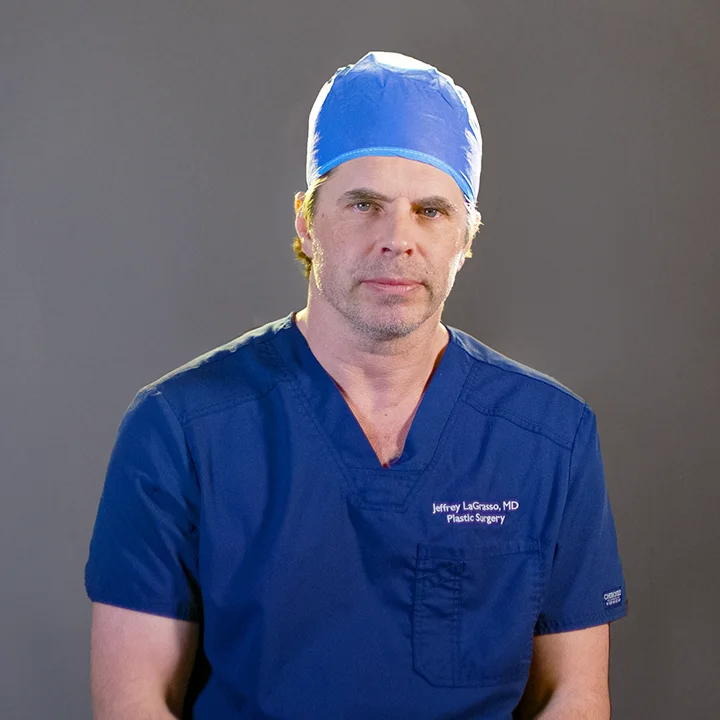
Jeffrey LaGrasso, MD
Board Certified Plastic and Reconstructive Surgeon
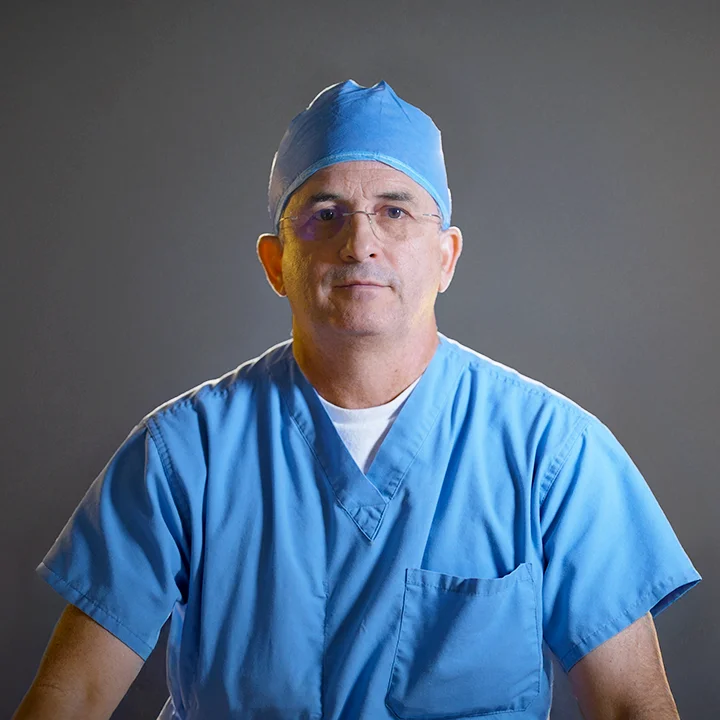
Michel Bormey, MD
Board Certified Cosmetic Surgeon
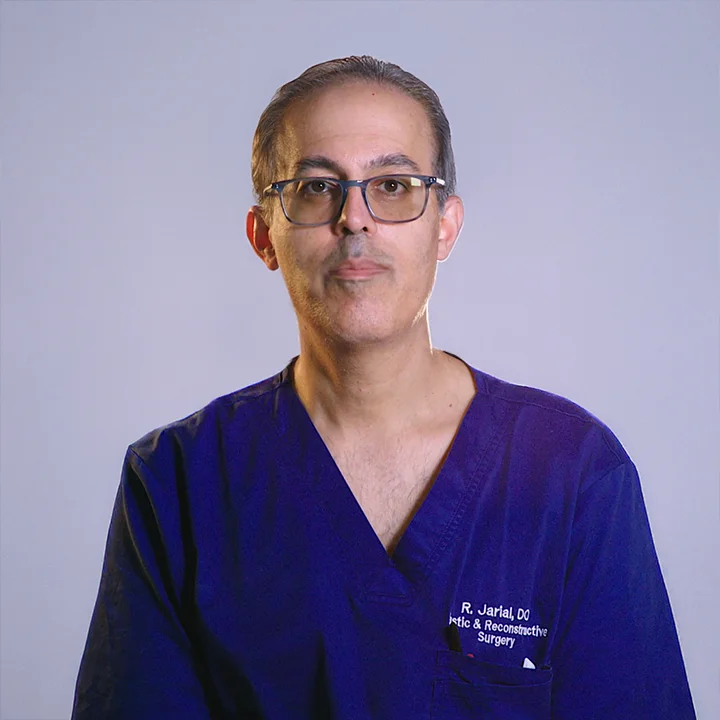
Ravinder Jarial, DO
Board Certified Plastic Surgeon
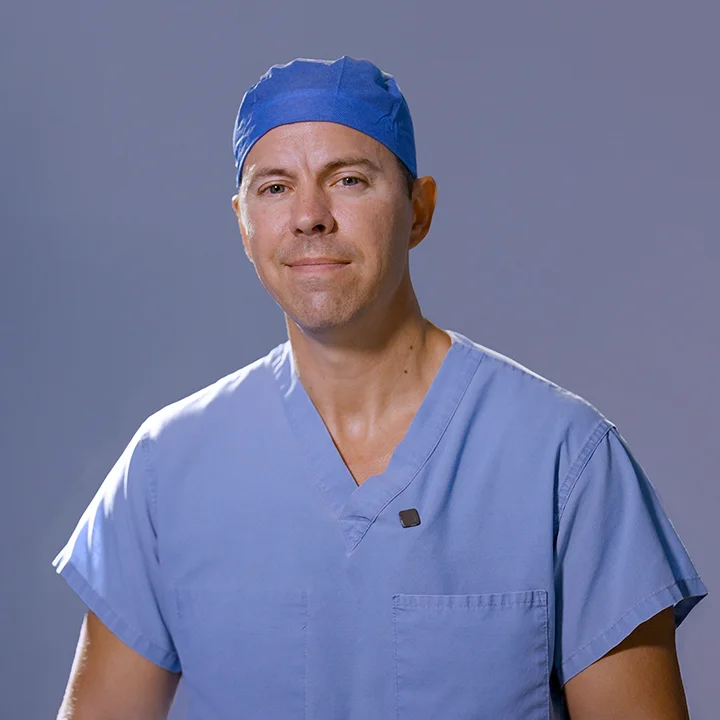
Luke Gutwein, MD
Board Certified Plastic and Reconstructive Surgeon
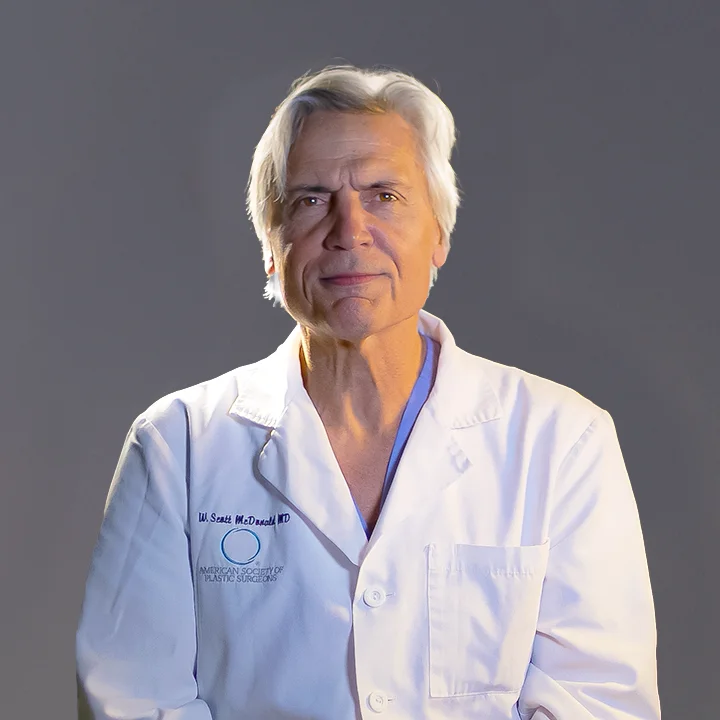
W. Scott McDonald, MD
Board Certified Plastic Surgeon
Breast Augmentation | #madeinmcs
- All
- Jeffrey LaGrasso, MD
- Luke Gutwein, MD
- W. Scott McDonald, MD
#madeinmcs Journey
Step 1: Initial Consultation
Step 2: Surgeon Evaluation
Step 3: Preparing for Surgery
Step 4: Surgery Day
Step 5: Post-Op Care
Step 1: Initial Consultation
Let’s kick off your #madeinmcs plastic surgery journey! Our patient coordinators are here to guide you. They’ll help with paperwork, choosing the right surgeon, and even assist remotely if needed. Whether you’re close by or far away, they’ll make sure you’re all set with forms, clear instructions, and a way to send photos to your surgeon. If you’re ready to begin or have questions, feel free to reach out to us at (305) 264 – 9636 or fill in our Contact Form. Our team is excited to assist you on this exciting journey.
Step 2: Surgeon Evaluation
Following your consultations with our coordinators, you will embark on a vital stage where your aspirations align with the specialized knowledge of your chosen surgeon. This isn’t just a conversation; it’s a collaborative session where you will discuss your objectives, medical history, and craft a comprehensive plan together. We will openly and candidly address topics such as anesthesia, recovery, and any potential challenges that may arise during your journey.
Step 3: Preparing for Surgery
Now that you’re preparing for surgery, our surgery coordinators step in. They’ll make sure everything is perfectly aligned. From scheduling the right time for your procedure to collecting essential forms, they’ll guide you. You’ll also get the full details on pre-op tests like blood work and scans, and financial details will be covered too.
Step 4: Surgery Day
Your big day is here, and we’re as excited as you! To keep things safe, we’ll ask you to skip dinner and drinks the night before – a precaution for the anesthesia. On surgery day, come in early for a thorough prep. Our skilled surgeon and team will take over from there. After surgery, our attentive medical staff will take care of you. When you’re ready, you’ll head home with a support person for a comfortable recovery.
Step 5: Post-Op Care
Once the surgery lights dim, your journey to recovery begins. Follow our easy care instructions closely for optimal healing. Listen to your surgeon’s advice about changing bandages, taking care of incisions, and managing any discomfort. Don’t skip those follow-up appointments – they’re important to track your progress. Keep in mind, different procedures have different recovery timelines. Your surgeon’s expertise will guide you towards successful healing and achieving the results you desire.
Breast Augmentation | Checklist
- Adhere to your surgeon's post-operative guidelines for a smooth recovery.
- Wear the recommended supportive bras to aid healing and maintain proper implant positioning.
- Engage in gentle movements to prevent stiffness and promote circulation.
- Drink plenty of water to aid healing and minimize swelling.
- Maintain a balanced diet rich in nutrients to support healing and tissue repair.
- Regularly attend follow-up visits to monitor your progress.
Breast Augmentation | FAQS
Will I have visible scars?
All surgery leaves some scarring, but breast augmentation incisions are placed in discreet locations to keep scars as inconspicuous as possible. Common options include the crease beneath the breast (inframammary), the edge of the areola (periareolar), or the armpit (transaxillary). Scars are usually pink or red at first and gradually fade over 12 to 18 months. Following your scar care instructions and protecting incisions from the sun can help them heal well.
How do I choose the right implant size?
Choosing the right size involves more than picking a cup size. Your surgeon will consider your chest width, breast tissue, skin elasticity, height, and body proportions to recommend a range of implant sizes that suit your frame. Many patients find it helpful to try on sizes during the consultation and bring photos of results they like. Keep in mind that cup sizes vary between bra brands, so it’s best to focus on the overall look you want rather than a specific letter.
Is there an age requirement for breast augmentation?
Yes. The FDA has approved saline implants for cosmetic breast augmentation in patients 18 and older, and silicone implants for patients 22 and older. These guidelines help ensure the breasts are fully developed before surgery. Age limits may differ for reconstructive procedures, and your surgeon will confirm your eligibility during your consultation.
What happens to my implants if I get pregnant or lose weight in the future?
Pregnancy, breastfeeding, and significant weight fluctuations can change the size and shape of your natural breast tissue, which may affect the appearance of your results over time. The implants themselves are not damaged by these changes. Some patients choose to wait until they’re finished having children or have reached a stable weight before surgery, while others decide to have a revision or breast lift later if needed.
Will I lose sensation in my breasts or nipples?
Changes in sensation are common after breast augmentation. Some patients experience numbness, while others notice heightened sensitivity in the nipples or breast skin. In most cases, these changes are temporary and gradually improve over several weeks to months as the nerves heal. In a small number of patients, changes in sensation may be permanent.
FREE EVALUATION
Related Blog Posts
Testimonials
“Excellent clinic! 15 days ago, I had surgery with Doctor Jeffrey La Grasso, I had four lipo areas, double chin, a tummy tuck, and a breast lift. I am very satisfied with the results that I am seeing. I recommend the clinic 100%"
Yahima RojoAugust 8, 2023
"I cannot express how thrilled I am with the results from Dr. Luke, and their team are true experts in their field. From the initial consultation to the final follow-up, the care and attention I received were outstanding. My confidence has soared, and I am incredibly grateful for the amazing work they've done. I wholeheartedly recommend My Cosmetic Surgery to anyone seeking top-notch plastic surgery."
Camila MendezFebruary 26, 2023