
Thight Lift
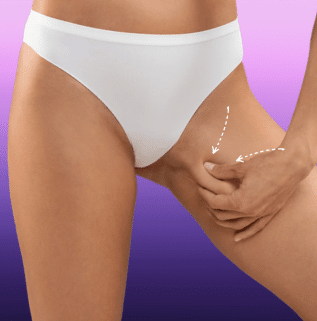
Thight Lift | Overview
THE PROCEDURE
What is a thigh lift and how is it performed?
A thigh lift, or thighplasty, is a surgical procedure that removes excess skin and fat from the thighs and tightens the remaining tissue for a smoother, more contoured shape. It is performed under general anesthesia and generally takes 2 to 3 hours, depending on the technique and whether liposuction is added. Your surgeon marks the incision lines while you are standing, removes the loose skin and fat, and secures the deeper tissue with internal stitches so the new contour holds. The technique and incision placement are customized to your anatomy and goals during your free consultation.
→ General anesthesia vs. local anesthesia: which is the best option?
What problems does a thigh lift correct?
A thigh lift corrects loose, hanging skin on the inner and outer thighs, along with the fat that accumulates in the same area. This laxity usually comes from major weight loss, aging, pregnancy or genetics, and it does not respond to diet or exercise, because stretched skin cannot shrink back on its own. Beyond appearance, many patients want relief from chafing, rashes and irritation caused by skin rubbing when they walk. The result is legs that look firmer in shorts and swimwear and fit better in pants.
Will I have scars, and where will they be?
Yes. Because a thigh lift removes skin, it leaves a scar, and its length depends on how much skin is removed. With a mini or inner thigh lift, the scar is hidden in the groin crease, where underwear and swimwear cover it. With a vertical thigh lift, a second scar runs along the inner thigh toward the knee. With an outer thigh lift, the scar wraps from the groin around the hip, along the bikini line. Scars start pink or red and fade significantly over the following 6 to 12 months, but leave a permanent line.
TECHNIQUES AND ALTERNATIVES
What thigh lift techniques exist, and which do we offer?
The technique determines the length and placement of the scar and how much of the thigh can be treated. Here is how the options compare:
| Technique | What it involves | Do we offer it? | Best suited for |
|---|---|---|---|
| Mini thigh lift | A short incision hidden in the groin crease; tightens only the upper third of the inner thigh. | Yes | Mild loose skin close to the groin. |
| Inner (medial) thigh lift | An incision in the groin crease that can extend toward the buttock crease. | Yes | Moderate loose skin on the upper inner thigh. |
| Vertical thigh lift | Adds an incision along the inner thigh, from the groin toward the knee. | Yes | Loose skin along the full length of the inner thigh, common after major weight loss. |
| Outer (lateral) thigh lift | An incision from the groin around the hip, along the bikini line. | Yes | Loose skin and folds on the outer thigh and hip. |
| Spiral thigh lift | An incision that wraps around the thigh to treat the front, back, inner and outer thigh. | Yes | Loose skin around the whole thigh after massive weight loss. |
| Thigh lift with liposuction | Liposuction removes stubborn fat before the excess skin is removed. | Yes | Patients with both loose skin and localized fat in the thighs. |
Thigh lift, thigh liposuction or J-Plasma: which one do I need?
The right procedure depends on whether your main concern is fat, loose skin, or both:
| Thigh lift | Thigh liposuction | J-Plasma | |
|---|---|---|---|
| Removes | Excess skin and fat | Fat only | Fat, with skin tightening |
| Best for | Skin that hangs or folds | Good skin elasticity with localized fat | Mild skin laxity with localized fat |
| Scar | In the groin crease, inner thigh or hip | Tiny incisions of a few millimeters | Tiny incisions of a few millimeters |
| Recovery | About 2 weeks for daily activities | About 1 week | About 1 week |
If your skin is still elastic, liposuction or J-Plasma may be enough. Once the skin hangs, only a thigh lift can remove it. Your surgeon will examine your skin during your consultation and recommend the right option.
→ Transform your body now with J-Plasma
What if I also have loose skin on my arms?
A thigh lift can be combined with an arm lift in the same surgery, with one anesthesia and one recovery.
Who is a good candidate for a thigh lift?
A good candidate for a thigh lift has loose or sagging skin on the thighs, is in good general health, has a BMI of 30 or less and has kept a stable weight for at least 6 to 12 months. Candidates should also be non-smokers, or willing to stop smoking before and after surgery, have any medical conditions such as diabetes well controlled, and have realistic expectations about the scar and the results.
A thigh lift is a skin-removal procedure, not a weight-loss method. If you are still losing weight, it is best to wait until you reach your goal, since further weight loss can create new loose skin. Your surgeon will confirm whether you are a candidate during your free consultation.
→ What is the ideal BMI for plastic surgery?
→ What makes you a good candidate for cosmetic surgery
What if my BMI is above 30?
A BMI above 30 increases the risk of complications such as poor wound healing and infection, which are already the most common issues after a thigh lift because the incision sits in an area of movement and friction. It also usually means there is still fat to lose before the skin can be tightened effectively. Reaching a BMI of 30 or less before surgery gives you a safer procedure and a longer-lasting result. Our team can talk you through the options during your consultation.
I lost weight with Ozempic, Wegovy or Mounjaro. Can I have a thigh lift?
Yes. Loose thigh skin after weight loss with GLP-1 medications is one of the most common reasons patients ask about a thigh lift today: 80% of American Society of Plastic Surgeons member surgeons reported thigh lift consultations related to GLP-1 use in 2025. The same rules apply as for any weight loss: you should be at or near your goal weight, with a stable weight for several months, before surgery. During your Free consultation, please Tell us if you are still taking the medication, since it may need to be paused around surgery.
Can I have a thigh lift after bariatric surgery or major weight loss?
Yes. Patients who have lost a large amount of weight, whether through bariatric surgery or diet and exercise, are among the most common thigh lift candidates, and they often benefit from a vertical or spiral thigh lift. The key is that your weight has been stable for at least 6 months to 12 months, since skin removed while you are still losing weight can loosen again. After bariatric surgery, this usually means waiting a year or more from the surgery itself. You should also be in good nutritional health, since healing depends on it.
Can I have a thigh lift if I smoke?
Smoking should be stopped at least a month before surgery and for a month afterward. Nicotine constricts blood vessels and reduces circulation, which slows the healing of the incision and increases the risk of complications.
Can a thigh lift be combined with other procedures?
Yes. Common combinations include:
- Arm lift, to treat loose skin on the arms in the same surgery
- Liposuction of other areas, such as the abdomen or flanks
- Tummy tuck (abdominoplasty)
- Breast lift, as part of a full body contouring plan
The right combination is decided at your consultation, based on your health and the total time required in the operating room.
→ Surgery combos at My Cosmetic Surgery
MEDICAL TEAM AND SAFETY
Who performs the surgery, and where?
The surgery is performed at our Miami facility, with medical supervision throughout the procedure. Our thigh lift surgeons:
Anesthesia is handled by Andrés Vázquez, CRNA.
→ The importance of the anesthesiologist in cosmetic surgery
What are the risks of a thigh lift?
Like any surgery, a thigh lift carries risks. Complications after a thigh lift are fairly common but usually minor, and most heal with local wound care. The most common include:
- Slow wound healing or small openings along the incision, since the groin is an area of constant movement and moisture
- Seroma, a buildup of fluid under the skin
- Infection at or around the incision
- Swelling in the legs and ankles, which can last several weeks
- Bleeding during or after the procedure
- Numbness or changes in sensation in the thigh
- Asymmetry between the two thighs
- Visible, widened or shifted scars, as gravity and movement can pull the scar downward over time
Less common but more serious risks include:
- Blood clots (deep vein thrombosis)
- Lymphatic fluid buildup (lymphedema), causing lasting swelling in the leg
- Distortion of the genital area if the groin scar pulls on the surrounding skin
At My Cosmetic Surgery, we follow all the regulations requires in the state of Florida, in order to minimize every single risk during surgery. Before surgery, every patient is screened for health, BMI and blood clot risk. During the procedure, anesthesia is administered and monitored throughout by Andrés Vázquez, CRNA. After surgery, early walking, compression garments and close follow-up visits help reduce the risk of blood clots, fluid buildup and wound problems.
PREPARATION AND RECOVERY
How do I prepare for surgery?
Stop smoking and nicotine products at least a month before and after surgery, since they slow healing. Aspirin, anti-inflammatory drugs, vitamin E, fish oil and some herbal supplements may increase bleeding and should be paused only with your surgeon’s authorization. Arrange for a responsible adult to drive you home and stay with you for the first few days, when sitting, climbing stairs and getting in and out of bed will be difficult. Choose loose, soft clothing that does not rub the groin, have your compression garment ready, and set up a recovery space with pillows to keep your legs elevated.
→ Requirements before your surgery
→ Medications you should avoid before surgery
What does recovery look like week by week?
Days 1–3: Rest, with swelling and soreness managed by prescribed medication. Keep your legs elevated and take short, gentle walks around the house to support circulation and prevent blood clots.
Days 4–10: Rest your legs as much as possible and stay home from work. Avoid squatting, deep bending, climbing many stairs and spreading your legs wide, which strain the groin incision.
Week 1: Bandages, and drains if used, are checked at your first follow-up visit. Continue wearing the compression garment as directed.
Weeks 2–3: Return to desk work and light daily activity.
Weeks 4–6: Cleared for exercise, including leg workouts, running and lifting, once your surgeon confirms the incision has healed.
Months 3–6: Final results become visible as swelling fully resolves; the scar keeps softening and fading for up to a year.
How long do I need to wear the compression garment?
At My Cosmetic Surgery, we recommend wearing your compression garment for at least 4 to 6 weeks after a thigh lift, 24 hours a day during the first weeks, taking it off only to shower or wash it. Your surgeon will tell you when you can switch to wearing it during the day only.
The garment reduces swelling, supports the new contour of your thighs, lowers the risk of fluid buildup (seroma) and protects the incision while it heals. Removing it too early can increase swelling and put strain on the groin incision.
→ Maximizing recovery: the benefits of post-surgical compression garments
When can I return to work and to exercise?
Most patients with desk jobs return within about 2 weeks; jobs that involve standing, walking or lifting may need 4 weeks or more. Walking is encouraged from the first days, while running, squats, cycling and any activity that stretches the groin are typically cleared between weeks 4 and 6, once your surgeon confirms healing is on track.
→ Post-surgery care for a successful recovery
RESULTS
When will I see my final results?
You will notice smoother, firmer thighs right after surgery, but swelling masks the full result at first. The incisions usually heal within about 6 weeks, and final results are typically visible around 6 months, once swelling has fully resolved. The scar keeps softening and fading for up to a year.
How long do the results last?
The skin removed during a thigh lift does not come back, so results are long-lasting. However, natural aging continues, and significant weight gain or loss after surgery can stretch the skin again, which is why maintaining a stable weight is important to preserving your results.
Will a thigh lift get rid of cellulite?
Not entirely. Tightening the skin can make cellulite look smoother, and cellulite on the skin that is removed is gone, but a thigh lift does not treat cellulite on the remaining skin. Your surgeon can recommend whether a dedicated cellulite treatment makes sense once you have healed.
Will a thigh lift remove stretch marks?
Only the stretch marks on the skin that is removed. Stretch marks on the remaining skin may look tighter and less noticeable, but they will not disappear. Stretch mark camouflage can help with the ones that remain once you have healed.
→ Stretch mark camouflage in Miami
Will a thigh lift stop my thighs from chafing?
For most patients, yes. Removing the loose skin on the inner thighs reduces the rubbing that causes chafing, rashes and irritation when walking or exercising. How much it improves depends on how much of the rubbing comes from skin and how much from the shape of your legs, which your surgeon can assess at consultation.
COST AND LOGISTICS
How much does a thigh lift cost in Miami, and do you offer financing?
Because the final price depends on the technique used and any combination with liposuction or other procedures, your exact quote is confirmed during your free consultation with our coordinators. Financing is available through Cherry Financing and Alphaeon.
→ Payment options at My Cosmetic Surgery
Is there a charge for the consultation?
No. Consultations at My Cosmetic Surgery are completely free.
If I’m traveling from another city, how many days should I stay in Miami?
At My Cosmetic Surgery, we recommend planning enough time in Miami for your initial recovery and at least one postoperative follow-up before flying home. Long flights in the first weeks raise the risk of blood clots, so our team will confirm the exact timeline for your case at consultation, We suggest at least 2 weeks, but this information will be specified during your consultation.
→ Free remote evaluation for cosmetic surgery in Miami
Schedule your consultation
Book a free consultation with My Cosmetic Surgery to discuss your goals, review your medical history, and determine which thigh lift technique is right for you. Call us at (305) 264-9636 to schedule your consultation.
#madeinmcs
Why you'll love it
Overview
THE PROCEDURE
What is a thigh lift and how is it performed?
A thigh lift, or thighplasty, is a surgical procedure that removes excess skin and fat from the thighs and tightens the remaining tissue for a smoother, more contoured shape. It is performed under general anesthesia and generally takes 2 to 3 hours, depending on the technique and whether liposuction is added. Your surgeon marks the incision lines while you are standing, removes the loose skin and fat, and secures the deeper tissue with internal stitches so the new contour holds. The technique and incision placement are customized to your anatomy and goals during your free consultation.
→ General anesthesia vs. local anesthesia: which is the best option?
What problems does a thigh lift correct?
A thigh lift corrects loose, hanging skin on the inner and outer thighs, along with the fat that accumulates in the same area. This laxity usually comes from major weight loss, aging, pregnancy or genetics, and it does not respond to diet or exercise, because stretched skin cannot shrink back on its own. Beyond appearance, many patients want relief from chafing, rashes and irritation caused by skin rubbing when they walk. The result is legs that look firmer in shorts and swimwear and fit better in pants.
Will I have scars, and where will they be?
Yes. Because a thigh lift removes skin, it leaves a scar, and its length depends on how much skin is removed. With a mini or inner thigh lift, the scar is hidden in the groin crease, where underwear and swimwear cover it. With a vertical thigh lift, a second scar runs along the inner thigh toward the knee. With an outer thigh lift, the scar wraps from the groin around the hip, along the bikini line. Scars start pink or red and fade significantly over the following 6 to 12 months, but leave a permanent line.
TECHNIQUES AND ALTERNATIVES
What thigh lift techniques exist, and which do we offer?
The technique determines the length and placement of the scar and how much of the thigh can be treated. Here is how the options compare:
| Technique | What it involves | Do we offer it? | Best suited for |
|---|---|---|---|
| Mini thigh lift | A short incision hidden in the groin crease; tightens only the upper third of the inner thigh. | Yes | Mild loose skin close to the groin. |
| Inner (medial) thigh lift | An incision in the groin crease that can extend toward the buttock crease. | Yes | Moderate loose skin on the upper inner thigh. |
| Vertical thigh lift | Adds an incision along the inner thigh, from the groin toward the knee. | Yes | Loose skin along the full length of the inner thigh, common after major weight loss. |
| Outer (lateral) thigh lift | An incision from the groin around the hip, along the bikini line. | Yes | Loose skin and folds on the outer thigh and hip. |
| Spiral thigh lift | An incision that wraps around the thigh to treat the front, back, inner and outer thigh. | Yes | Loose skin around the whole thigh after massive weight loss. |
| Thigh lift with liposuction | Liposuction removes stubborn fat before the excess skin is removed. | Yes | Patients with both loose skin and localized fat in the thighs. |
Thigh lift, thigh liposuction or J-Plasma: which one do I need?
The right procedure depends on whether your main concern is fat, loose skin, or both:
| Thigh lift | Thigh liposuction | J-Plasma | |
|---|---|---|---|
| Removes | Excess skin and fat | Fat only | Fat, with skin tightening |
| Best for | Skin that hangs or folds | Good skin elasticity with localized fat | Mild skin laxity with localized fat |
| Scar | In the groin crease, inner thigh or hip | Tiny incisions of a few millimeters | Tiny incisions of a few millimeters |
| Recovery | About 2 weeks for daily activities | About 1 week | About 1 week |
If your skin is still elastic, liposuction or J-Plasma may be enough. Once the skin hangs, only a thigh lift can remove it. Your surgeon will examine your skin during your consultation and recommend the right option.
→ Transform your body now with J-Plasma
What if I also have loose skin on my arms?
A thigh lift can be combined with an arm lift in the same surgery, with one anesthesia and one recovery.
Who is a good candidate for a thigh lift?
A good candidate for a thigh lift has loose or sagging skin on the thighs, is in good general health, has a BMI of 30 or less and has kept a stable weight for at least 6 to 12 months. Candidates should also be non-smokers, or willing to stop smoking before and after surgery, have any medical conditions such as diabetes well controlled, and have realistic expectations about the scar and the results.
A thigh lift is a skin-removal procedure, not a weight-loss method. If you are still losing weight, it is best to wait until you reach your goal, since further weight loss can create new loose skin. Your surgeon will confirm whether you are a candidate during your free consultation.
→ What is the ideal BMI for plastic surgery?
→ What makes you a good candidate for cosmetic surgery
What if my BMI is above 30?
A BMI above 30 increases the risk of complications such as poor wound healing and infection, which are already the most common issues after a thigh lift because the incision sits in an area of movement and friction. It also usually means there is still fat to lose before the skin can be tightened effectively. Reaching a BMI of 30 or less before surgery gives you a safer procedure and a longer-lasting result. Our team can talk you through the options during your consultation.
I lost weight with Ozempic, Wegovy or Mounjaro. Can I have a thigh lift?
Yes. Loose thigh skin after weight loss with GLP-1 medications is one of the most common reasons patients ask about a thigh lift today: 80% of American Society of Plastic Surgeons member surgeons reported thigh lift consultations related to GLP-1 use in 2025. The same rules apply as for any weight loss: you should be at or near your goal weight, with a stable weight for several months, before surgery. During your Free consultation, please Tell us if you are still taking the medication, since it may need to be paused around surgery.
Can I have a thigh lift after bariatric surgery or major weight loss?
Yes. Patients who have lost a large amount of weight, whether through bariatric surgery or diet and exercise, are among the most common thigh lift candidates, and they often benefit from a vertical or spiral thigh lift. The key is that your weight has been stable for at least 6 months to 12 months, since skin removed while you are still losing weight can loosen again. After bariatric surgery, this usually means waiting a year or more from the surgery itself. You should also be in good nutritional health, since healing depends on it.
Can I have a thigh lift if I smoke?
Smoking should be stopped at least a month before surgery and for a month afterward. Nicotine constricts blood vessels and reduces circulation, which slows the healing of the incision and increases the risk of complications.
Can a thigh lift be combined with other procedures?
Yes. Common combinations include:
- Arm lift, to treat loose skin on the arms in the same surgery
- Liposuction of other areas, such as the abdomen or flanks
- Tummy tuck (abdominoplasty)
- Breast lift, as part of a full body contouring plan
The right combination is decided at your consultation, based on your health and the total time required in the operating room.
→ Surgery combos at My Cosmetic Surgery
MEDICAL TEAM AND SAFETY
Who performs the surgery, and where?
The surgery is performed at our Miami facility, with medical supervision throughout the procedure. Our thigh lift surgeons:
Anesthesia is handled by Andrés Vázquez, CRNA.
→ The importance of the anesthesiologist in cosmetic surgery
What are the risks of a thigh lift?
Like any surgery, a thigh lift carries risks. Complications after a thigh lift are fairly common but usually minor, and most heal with local wound care. The most common include:
- Slow wound healing or small openings along the incision, since the groin is an area of constant movement and moisture
- Seroma, a buildup of fluid under the skin
- Infection at or around the incision
- Swelling in the legs and ankles, which can last several weeks
- Bleeding during or after the procedure
- Numbness or changes in sensation in the thigh
- Asymmetry between the two thighs
- Visible, widened or shifted scars, as gravity and movement can pull the scar downward over time
Less common but more serious risks include:
- Blood clots (deep vein thrombosis)
- Lymphatic fluid buildup (lymphedema), causing lasting swelling in the leg
- Distortion of the genital area if the groin scar pulls on the surrounding skin
At My Cosmetic Surgery, we follow all the regulations requires in the state of Florida, in order to minimize every single risk during surgery. Before surgery, every patient is screened for health, BMI and blood clot risk. During the procedure, anesthesia is administered and monitored throughout by Andrés Vázquez, CRNA. After surgery, early walking, compression garments and close follow-up visits help reduce the risk of blood clots, fluid buildup and wound problems.
PREPARATION AND RECOVERY
How do I prepare for surgery?
Stop smoking and nicotine products at least a month before and after surgery, since they slow healing. Aspirin, anti-inflammatory drugs, vitamin E, fish oil and some herbal supplements may increase bleeding and should be paused only with your surgeon’s authorization. Arrange for a responsible adult to drive you home and stay with you for the first few days, when sitting, climbing stairs and getting in and out of bed will be difficult. Choose loose, soft clothing that does not rub the groin, have your compression garment ready, and set up a recovery space with pillows to keep your legs elevated.
→ Requirements before your surgery
→ Medications you should avoid before surgery
What does recovery look like week by week?
Days 1–3: Rest, with swelling and soreness managed by prescribed medication. Keep your legs elevated and take short, gentle walks around the house to support circulation and prevent blood clots.
Days 4–10: Rest your legs as much as possible and stay home from work. Avoid squatting, deep bending, climbing many stairs and spreading your legs wide, which strain the groin incision.
Week 1: Bandages, and drains if used, are checked at your first follow-up visit. Continue wearing the compression garment as directed.
Weeks 2–3: Return to desk work and light daily activity.
Weeks 4–6: Cleared for exercise, including leg workouts, running and lifting, once your surgeon confirms the incision has healed.
Months 3–6: Final results become visible as swelling fully resolves; the scar keeps softening and fading for up to a year.
How long do I need to wear the compression garment?
At My Cosmetic Surgery, we recommend wearing your compression garment for at least 4 to 6 weeks after a thigh lift, 24 hours a day during the first weeks, taking it off only to shower or wash it. Your surgeon will tell you when you can switch to wearing it during the day only.
The garment reduces swelling, supports the new contour of your thighs, lowers the risk of fluid buildup (seroma) and protects the incision while it heals. Removing it too early can increase swelling and put strain on the groin incision.
→ Maximizing recovery: the benefits of post-surgical compression garments
When can I return to work and to exercise?
Most patients with desk jobs return within about 2 weeks; jobs that involve standing, walking or lifting may need 4 weeks or more. Walking is encouraged from the first days, while running, squats, cycling and any activity that stretches the groin are typically cleared between weeks 4 and 6, once your surgeon confirms healing is on track.
→ Post-surgery care for a successful recovery
RESULTS
When will I see my final results?
You will notice smoother, firmer thighs right after surgery, but swelling masks the full result at first. The incisions usually heal within about 6 weeks, and final results are typically visible around 6 months, once swelling has fully resolved. The scar keeps softening and fading for up to a year.
How long do the results last?
The skin removed during a thigh lift does not come back, so results are long-lasting. However, natural aging continues, and significant weight gain or loss after surgery can stretch the skin again, which is why maintaining a stable weight is important to preserving your results.
Will a thigh lift get rid of cellulite?
Not entirely. Tightening the skin can make cellulite look smoother, and cellulite on the skin that is removed is gone, but a thigh lift does not treat cellulite on the remaining skin. Your surgeon can recommend whether a dedicated cellulite treatment makes sense once you have healed.
Will a thigh lift remove stretch marks?
Only the stretch marks on the skin that is removed. Stretch marks on the remaining skin may look tighter and less noticeable, but they will not disappear. Stretch mark camouflage can help with the ones that remain once you have healed.
→ Stretch mark camouflage in Miami
Will a thigh lift stop my thighs from chafing?
For most patients, yes. Removing the loose skin on the inner thighs reduces the rubbing that causes chafing, rashes and irritation when walking or exercising. How much it improves depends on how much of the rubbing comes from skin and how much from the shape of your legs, which your surgeon can assess at consultation.
COST AND LOGISTICS
How much does a thigh lift cost in Miami, and do you offer financing?
Because the final price depends on the technique used and any combination with liposuction or other procedures, your exact quote is confirmed during your free consultation with our coordinators. Financing is available through Cherry Financing and Alphaeon.
→ Payment options at My Cosmetic Surgery
Is there a charge for the consultation?
No. Consultations at My Cosmetic Surgery are completely free.
If I’m traveling from another city, how many days should I stay in Miami?
At My Cosmetic Surgery, we recommend planning enough time in Miami for your initial recovery and at least one postoperative follow-up before flying home. Long flights in the first weeks raise the risk of blood clots, so our team will confirm the exact timeline for your case at consultation, We suggest at least 2 weeks, but this information will be specified during your consultation.
→ Free remote evaluation for cosmetic surgery in Miami
Schedule your consultation
Book a free consultation with My Cosmetic Surgery to discuss your goals, review your medical history, and determine which thigh lift technique is right for you. Call us at (305) 264-9636 to schedule your consultation.
What to Expect
Let’s kick off your #madeinmcs plastic surgery journey! Our patient coordinators are here to guide you. They’ll help with paperwork, choosing the right surgeon, and even assist remotely if needed. Whether you’re close by or far away, they’ll make sure you’re all set with forms, clear instructions, and a way to send photos to your surgeon. If you’re ready to begin or have questions, feel free to reach out to us at (305) 264 – 9636 or fill in our Contact Form. Our team is excited to assist you on this exciting journey.
Following your consultations with our coordinators, you will embark on a vital stage where your aspirations align with the specialized knowledge of your chosen surgeon. This isn’t just a conversation; it’s a collaborative session where you will discuss your objectives, medical history, and craft a comprehensive plan together. We will openly and candidly address topics such as anesthesia, recovery, and any potential challenges that may arise during your journey.
Now that you’re preparing for surgery, our surgery coordinators step in. They’ll make sure everything is perfectly aligned. From scheduling the right time for your procedure to collecting essential forms, they’ll guide you. You’ll also get the full details on pre-op tests like blood work and scans, and financial details will be covered too.
Your big day is here, and we’re as excited as you! To keep things safe, we’ll ask you to skip dinner and drinks the night before – a precaution for the anesthesia. On surgery day, come in early for a thorough prep. Our skilled surgeon and team will take over from there. After surgery, our attentive medical staff will take care of you. When you’re ready, you’ll head home with a support person for a comfortable recovery.
Once the surgery lights dim, your journey to recovery begins. Follow our easy care instructions closely for optimal healing. Listen to your surgeon’s advice about changing bandages, taking care of incisions, and managing any discomfort. Don’t skip those follow-up appointments – they’re important to track your progress. Keep in mind, different procedures have different recovery timelines. Your surgeon’s expertise will guide you towards successful healing and achieving the results you desire.
Checklist
- Follow medical advice closely and prepare a proper rest area beforehand.
- No smoking a month before and after surgery.
- Avoid taking anticoagulant medications as well as consuming herbal supplements before and after surgery.
- We are an Out-Patient Clinic: meaning that none of our procedures require a hospital stay; patients can go home once they wake from anesthesia.
- Wear your surgical compression garment as indicated by your surgeon.
- Swelling and discomfort are normal after surgery but will gradually subside. Patients can typically resume daily activities after 15 days.
FAQs
Is a thigh lift covered by insurance?
Is a thigh lift painful?
Will I need drains after surgery?
Can exercise tighten loose skin on my thighs instead of surgery?
How soon can I sit and drive after a thigh lift?
Thight Lift | Our Surgeons
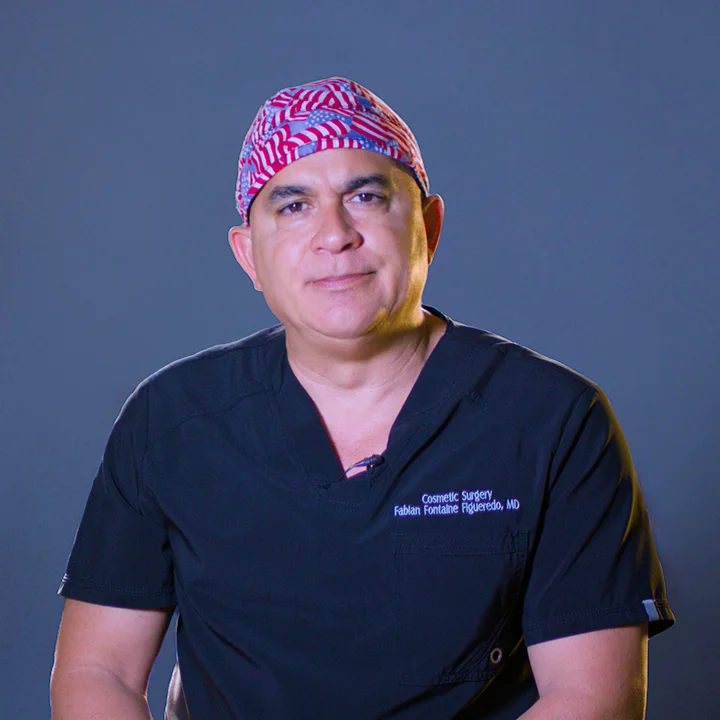
Fabian Fontaine Figueredo, MD
Board Certified Cosmetic Surgeon

Michel Bormey, MD
Board Certified Cosmetic Surgeon
Thight Lift | #madeinmcs
#madeinmcs Journey
Let’s kick off your #madeinmcs plastic surgery journey! Our patient coordinators are here to guide you. They’ll help with paperwork, choosing the right surgeon, and even assist remotely if needed. Whether you’re close by or far away, they’ll make sure you’re all set with forms, clear instructions, and a way to send photos to your surgeon. If you’re ready to begin or have questions, feel free to reach out to us at (305) 264 – 9636 or fill in our Contact Form. Our team is excited to assist you on this exciting journey.
Following your consultations with our coordinators, you will embark on a vital stage where your aspirations align with the specialized knowledge of your chosen surgeon. This isn’t just a conversation; it’s a collaborative session where you will discuss your objectives, medical history, and craft a comprehensive plan together. We will openly and candidly address topics such as anesthesia, recovery, and any potential challenges that may arise during your journey.
Now that you’re preparing for surgery, our surgery coordinators step in. They’ll make sure everything is perfectly aligned. From scheduling the right time for your procedure to collecting essential forms, they’ll guide you. You’ll also get the full details on pre-op tests like blood work and scans, and financial details will be covered too.
Your big day is here, and we’re as excited as you! To keep things safe, we’ll ask you to skip dinner and drinks the night before – a precaution for the anesthesia. On surgery day, come in early for a thorough prep. Our skilled surgeon and team will take over from there. After surgery, our attentive medical staff will take care of you. When you’re ready, you’ll head home with a support person for a comfortable recovery.
Once the surgery lights dim, your journey to recovery begins. Follow our easy care instructions closely for optimal healing. Listen to your surgeon’s advice about changing bandages, taking care of incisions, and managing any discomfort. Don’t skip those follow-up appointments – they’re important to track your progress. Keep in mind, different procedures have different recovery timelines. Your surgeon’s expertise will guide you towards successful healing and achieving the results you desire.
Thight Lift | Checklist
- Follow medical advice closely and prepare a proper rest area beforehand.
- No smoking a month before and after surgery.
- Avoid taking anticoagulant medications as well as consuming herbal supplements before and after surgery.
- We are an Out-Patient Clinic: meaning that none of our procedures require a hospital stay; patients can go home once they wake from anesthesia.
- Wear your surgical compression garment as indicated by your surgeon.
- Swelling and discomfort are normal after surgery but will gradually subside. Patients can typically resume daily activities after 15 days.